Top 10 Essential Items for a Beginner Home Gym

Time:2026-10-11 Author:Liam
0%

Building a home gym does not require an expensive room or commercial-grade machines. A beginner can make meaningful progress with a small, carefully chosen setup. What are the essential items for a beginner home gym? The answer depends on your goals, available space, budget, and training experience. However, several tools provide excellent value across strength, mobility, and cardiovascular workouts.

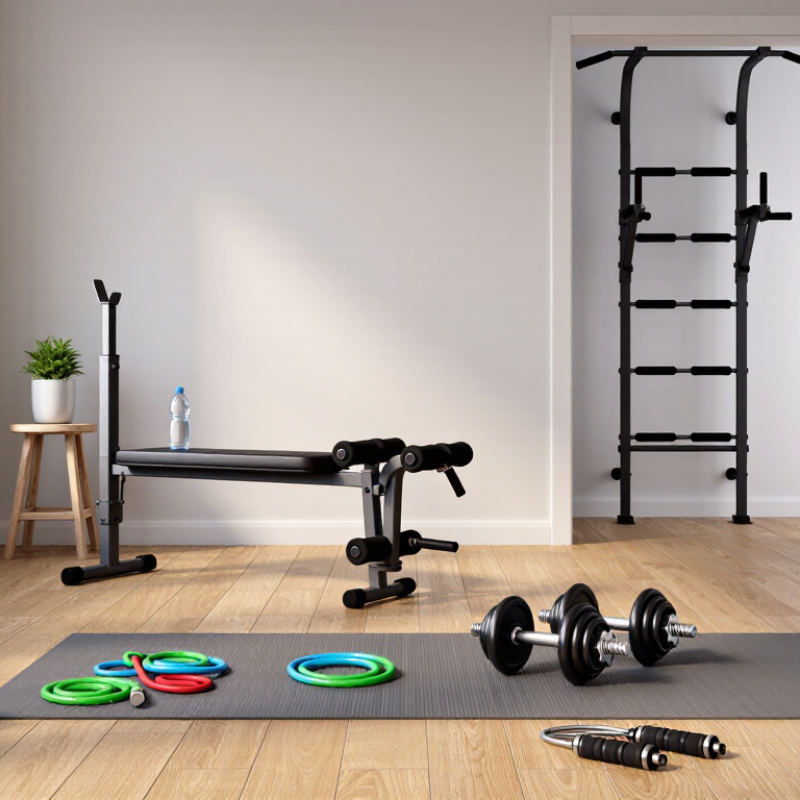
A practical starting point includes adjustable dumbbells, resistance bands, a stable exercise mat, and a sturdy bench. These items support squats, presses, rows, lunges, and core exercises without filling an entire room. A jump rope can improve conditioning, while a pull-up bar adds useful upper-body training when installed securely. Consider a kettlebell, especially if you enjoy swings, carries, and simple full-body movements. Keep safety in view. Check equipment weight limits, inspect bands for damage, and leave enough floor space to move freely.

Good training also needs structure. A notebook, timer, or fitness app can record sets, repetitions, rest periods, and gradual progress. That small habit often matters more than buying another piece of equipment. From practical coaching experience, beginners sometimes purchase advanced machines before learning basic movement patterns. I made that mistake myself. More equipment did not automatically create better workouts.

The following guide examines ten essential items for a beginner home gym. It explains what each item does, who may benefit from it, and how to choose dependable options. Some recommendations may not suit every home. That is worth acknowledging. A useful gym should fit your life, not imitate someone else’s fitness room.
Top 10 Essential Items for a Beginner Home Gym

Defining the Goals and Space of a Beginner Home Gym

A beginner home gym should serve a clear purpose, not fill an empty corner with equipment. Decide whether your main goal is strength, mobility, cardiovascular fitness, or general health. That sounds obvious. Yet many beginners buy gear before defining their routine. Write down three weekly workouts and the movements they require. Your available space matters just as much. Measure the floor, ceiling height, door swing, and storage area. Leave enough clearance to move safely, especially around weights and jumping exercises.

A practical starter set may include an exercise mat, adjustable dumbbells, resistance bands, a stable bench, a kettlebell, a jump rope, a pull-up bar, a compact cardio tool, a mirror, and storage racks. Choose items that support your actual goals. For strength training, adjustable weights save space and allow gradual progression.

For mobility, a firm mat and open floor may matter more than heavy equipment. Keep at least one arm’s length around moving equipment, and inspect fasteners regularly. A qualified fitness professional can check your technique, particularly for loaded squats, presses, and pulls.

I once underestimated storage and left equipment beside a doorway. It created a real trip hazard. That mistake changed my layout. Place frequently used items within reach, but keep walkways clear. Start with modest resistance and record repetitions, discomfort, and recovery. Progress should feel controlled, not heroic. Some choices may prove unnecessary. That is useful feedback, not failure. Reassess the room and your goals after four weeks.

Choosing the Ten Essential Pieces of Home Gym Equipment

Choosing ten essential pieces of home gym equipment should begin with movement coverage, not excitement. The World Health Organization recommends 150–300 minutes of moderate aerobic activity weekly, plus muscle-strengthening work on at least two days. A beginner setup should support both goals without filling the room. My practical ten are an exercise mat, adjustable dumbbells, resistance bands, a stable bench, a pull-up bar, a kettlebell, a jump rope, a stability ball, a foam roller, and a compact stationary bike. This list is not perfect.

Adjustable dumbbells provide pressing, rowing, squatting, and carrying exercises while saving space. Resistance bands add low-impact pulling work and suit beginners who cannot yet perform a full pull-up. A bench improves positioning, but it must remain stable during pressing and step-ups. The American College of Sports Medicine’s 2024 Worldwide Survey of Fitness Trends continues to identify strength-focused training as a major fitness priority. That supports investing in versatile resistance equipment rather than decorative machines.

The bike offers controlled aerobic training when weather or joints limit outdoor exercise. A jump rope is inexpensive, but beginners may need patience and softer flooring. The mat protects knees and improves balance during floor exercises. A foam roller can support recovery, although it cannot replace sleep or professional treatment. I would test every item before buying more. Early enthusiasm often creates clutter. Leave enough space to move, breathe, and place equipment safely. Reconsider the pull-up bar if the doorway is weak, and choose lighter weights when technique becomes unstable.

Organizing Equipment for Strength, Cardio, and Flexibility Training

A beginner home gym works best when each area has a clear purpose. Keep strength equipment near a stable wall, away from doors and loose rugs. Adjustable dumbbells, resistance bands, and a compact bench support many basic movements. Store weights on a low, secure rack. Keep walkways clear. I learned this after moving equipment before every workout. It wasted time and made training feel harder.

Cardio equipment needs open floor space and steady airflow. A jump rope, exercise mat, or simple step platform can raise your heart rate without crowding the room. Leave enough clearance for swinging arms and safe dismounts. Check bolts, cables, and flooring regularly. Small defects become bigger safety problems. Stay honest. If the room feels cramped, remove equipment instead of forcing a workout around it.

Flexibility training deserves a visible, comfortable corner. Place a firm mat beside a wall for balance during calf, hip, and shoulder stretches. Keep a strap and massage ball in a small basket, not scattered across the floor. Slow breathing and controlled movement matter more than extreme range. I still rush stretching when time is short, and that habit needs correction. A qualified fitness professional can help adjust exercises for pain, limited mobility, or previous injuries.

Using Home Gym Items Safely and Effectively

Top 10 Essential Items for a Beginner Home Gym

Using home gym equipment safely begins with control, not heavier weights. A firm exercise mat protects your joints and reduces slipping. Adjustable dumbbells, resistance bands, and a kettlebell support strength training without filling the room. Check each handle, strap, and clip before exercising. Small damage can become a serious problem.

A stable bench, pull-up bar, jump rope, and stability ball add useful movement options. Place the bench on a level surface. Keep clear space around swinging ropes and moving limbs. When using a pull-up bar, test its security with gentle pressure before hanging fully. Stop if you feel sharp pain, dizziness, or unusual breathing difficulty. Discomfort is not always progress.

Use a timer or phone-free wall clock to manage rest periods. Begin with light resistance and practice every movement slowly. I once rushed through band exercises and noticed my shoulders taking over. That mistake changed how I train. Now I reduce the tension and watch my alignment in a mirror. Not perfect, but safer. Keep equipment dry, store weights low, and avoid training when the floor is cluttered. A short warm-up, steady breathing, and one extra rest day can improve both performance and consistency.

Maintaining Equipment and Progressing Your Workout Routine

A beginner home gym becomes useful only when its equipment stays safe and dependable. After each session, wipe sweat from handles, benches, and floor surfaces. Check adjustable parts, cables, bolts, and bands for cracks or unusual looseness. Store weights evenly, rather than leaving them scattered near walking areas. Small maintenance habits prevent avoidable interruptions.

I keep a simple workout log beside my water bottle. It records exercises, repetitions, resistance, sleep, and discomfort. Increase only one factor at a time, such as adding two repetitions or a small amount of weight. Your form should remain controlled. If your back twists or your knees collapse, reduce the load immediately. Progress should feel challenging, not chaotic.

I once increased resistance too quickly and ignored a dull shoulder ache. That mistake interrupted several weeks of training. Now I repeat a routine until every movement feels stable. A lighter week every few weeks can also help, especially after poor sleep or unusual soreness. Still, I sometimes misjudge my recovery. Reviewing the log honestly matters more than chasing impressive numbers. A qualified fitness professional can check technique when pain persists or an exercise feels uncertain.

Top 10 Essential Items for a Beginner Home Gym - Maintaining Equipment and Progressing Your Workout Routine

No. Equipment Primary Training Use Beginner Specification Suggested Frequency Basic Maintenance Progression Method
1 Adjustable Dumbbells Presses, rows, squats, lunges, curls, and shoulder exercises Approximately 2–20 kg per hand 2–4 sessions/week Wipe handles and plates after use; inspect adjustment locks monthly; store dry. Increase load by the smallest available increment after completing all target repetitions with good form.
2 Resistance Bands Assisted movements, mobility work, rows, presses, and glute exercises A light-to-heavy set, roughly 2–30 kg equivalent tension 3–5 sessions/week Check for cuts, thinning, and cracks before every use; keep away from heat and direct sunlight. Use a thicker band, increase stretch distance, slow the tempo, or add repetitions.
3 Exercise Mat Floor exercises, stretching, core training, and bodyweight movements 6–12 mm thickness with a non-slip surface Every workout Wipe with mild soap and water; air-dry fully; roll loosely rather than folding. Progress from stable basic movements to longer holds, controlled tempos, and more difficult variations.
4 Kettlebell Hinges, swings, goblet squats, carries, and full-body conditioning 8–16 kg for many beginners; choose based on strength level 2–3 sessions/week Wipe after use; inspect the handle and base for damage; avoid dropping on hard floors. Master technique first, then add repetitions, sets, load, or more complex movements.
5 Adjustable Bench Chest presses, supported rows, step-ups, seated presses, and core work Stable flat and incline positions; weight capacity above intended training load 2–4 sessions/week Tighten bolts monthly; inspect adjustment pins; clean upholstery with a damp cloth. Add resistance gradually while keeping the bench angle and body position controlled.
6 Pull-Up Bar Pull-ups, chin-ups, hanging knee raises, and upper-body strength Secure installation with adequate doorway or wall clearance 2–3 sessions/week Check mounting hardware before use; clean grip areas; stop use if movement or bending appears. Begin with hangs and assisted repetitions, then build toward unassisted reps and added load.
7 Jump Rope Cardiovascular conditioning, coordination, and warm-ups Adjustable length; low-impact surface preferred 2–4 sessions/week Untangle after use; inspect the cable and handles; store in a dry, loose coil. Increase work intervals gradually, reduce rest periods, or introduce more advanced footwork.
8 Foam Roller Warm-up support, mobility drills, and post-workout recovery Medium-density roller, approximately 30–45 cm long 3–7 sessions/week Wipe clean regularly; keep away from high heat; replace if the surface becomes unstable or cracked. Gradually increase range of motion and control; avoid excessive pressure or painful rolling.
9 Core Slider Discs Planks, knee tucks, lunges, hamstring curls, and stability training Reversible surfaces for carpet and hard floors 2–4 sessions/week Clean both sides after use; inspect edges; store flat to prevent warping. Extend lever length, increase time under tension, or progress from supported to unilateral movements.
10 Workout Timer and Logbook Tracking sets, repetitions, rest periods, consistency, and performance trends Interval timer plus weekly training record Every workout Keep records backed up; check timer accuracy; replace batteries when needed. Use progressive overload by adding repetitions, sets, resistance, training density, or improved technique.
Progression guideline: Increase only one training variable at a time and prioritize consistent technique, controlled movement, adequate recovery, and gradual load increases.

FAQS

How should I organize strength equipment in a beginner home gym?

Keep dumbbells, bands, and a bench near a stable wall. Store weights on a low rack. Keep doors and walkways clear. I used to move equipment constantly. It wasted time.

How much space does cardio equipment need?

Leave open floor space around ropes, mats, and step platforms. Allow room for swinging arms and safe landings. Keep airflow steady. A cramped room needs less equipment, not forced workouts.

What safety checks should I perform before exercising?

Inspect handles, straps, clips, bolts, cables, and flooring. Test a pull-up bar with gentle pressure first. Stop if you notice damage or looseness. Small defects can grow quickly.

Which items support a simple home workout?

Adjustable dumbbells, resistance bands, a mat, and a stable bench cover many movements. A kettlebell, rope, and strap add variety. Start with fewer items. Empty floor space matters more than a crowded room.

How can I use weights safely?

Begin with light resistance and controlled repetitions. Keep your back steady and knees aligned. Reduce the load if your form breaks. Heavier is not always better.

What belongs in a flexibility training corner?

Place a firm mat beside a wall for balance. Keep a strap and massage ball in a small basket. Use slow breathing and controlled movement. Extreme stretching is unnecessary.

How should I track workout progress?

Record exercises, repetitions, resistance, sleep, and discomfort. Increase one factor at a time. Try adding two repetitions or a small weight increase. Your log should reflect reality, not ego.

When should I rest or seek professional guidance?

Take extra rest after poor sleep or unusual soreness. Stop for sharp pain, dizziness, or difficult breathing. Persistent pain deserves qualified guidance. I sometimes misjudge recovery, so I review my notes honestly.

Conclusion

Building a beginner home gym starts with clear goals, available space, and a realistic budget. What are the essential items for a beginner home gym? A practical starter setup may include an exercise mat, adjustable dumbbells, resistance bands, a kettlebell, a stability ball, a jump rope, a bench, a pull-up bar, a foam roller, and a basic cardio option such as a step platform. These items support strength, cardiovascular fitness, balance, mobility, and recovery without overcrowding the room.

Organize equipment by training purpose so every workout is easy to follow. Use weights and bands for strength exercises, the jump rope or step platform for cardio, and the mat, ball, and foam roller for flexibility and recovery. Beginners should learn proper form, begin with manageable resistance, and increase intensity gradually. Keep equipment clean, inspect it regularly for damage, and store it safely. Recording workouts and adjusting routines over time can help maintain motivation and encourage steady, sustainable progress.

Liam

Liam

Liam is a dedicated marketing professional with a profound expertise in the industry, where he excels at highlighting the unique advantages of our core products. With a keen understanding of market trends and consumer needs, Liam frequently updates our company’s professional blog, providing......