Athletic training has evolved significantly, and one tool that stands out is the Speed Chute. According to Dr. John Smith, a renowned sports performance expert, “The Speed Chute provides athletes with a unique way to improve their speed and explosiveness.” This innovative piece of equipment creates resistance during sprints, forcing athletes to push harder.
Utilizing the Speed Chute helps in building strength and speed simultaneously. Many athletes have reported noticeable improvements in their acceleration. Yet, some struggle with proper technique when using it. Common mistakes can hinder progress, making it essential to focus on form. Athletes must learn the best practices to gain maximum benefit.
Incorporating the Speed Chute into training routines can yield impressive results. It emphasizes the importance of resistance training in sports. However, one should consider individual fitness levels and goals. The Speed Chute may not be for everyone, but for those committed to enhancing performance, it offers great potential. Coach Linda Johnson further states, “Consistency in training with the Speed Chute leads to measurable progress.” This echoes the need for dedication in any athletic endeavor.
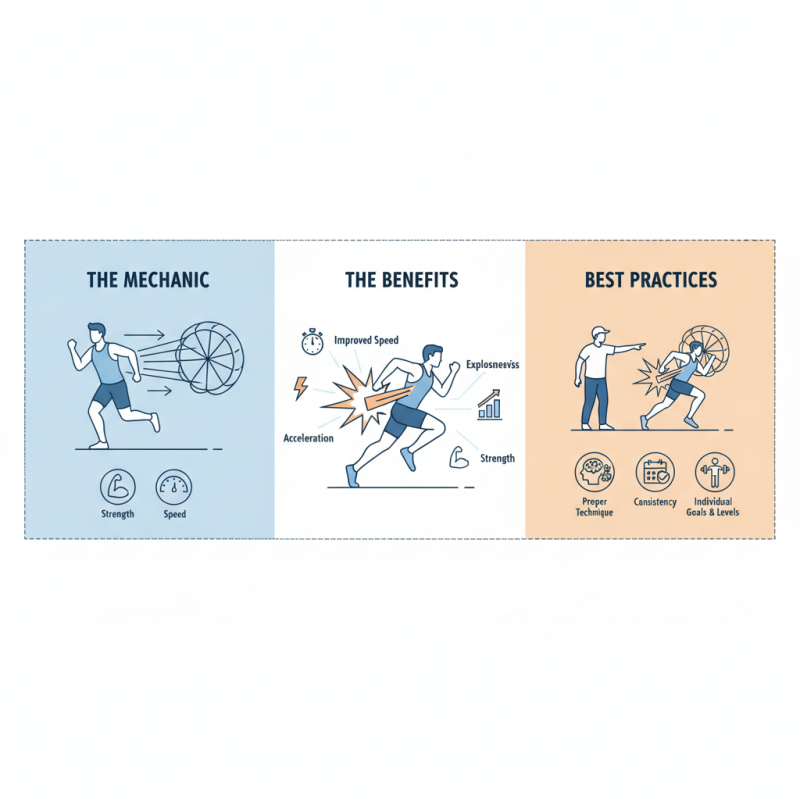
The speed chute is a unique training tool that aims to enhance athletic performance. It consists of a fabric canopy attached to a harness. As athletes sprint, the chute catches air resistance, creating drag. This resistance challenges the runner, promoting strength and speed development.
Using a speed chute requires proper technique. Athletes must maintain form while facing the added resistance. This can be difficult, especially for beginners. They might find it tough to balance speed and control. Some may struggle to feel the benefits at first. Training sessions can become frustrating without immediate results. However, consistent practice leads to improvement over time.
The key to effective use lies in gradual progression. Athletes should start with shorter sprints before adding resistance. This builds confidence and allows for better adaptation. Each training session should encourage reflection on form and technique. Emphasizing quality over quantity helps in achieving desired outcomes. Immediate feedback can enhance understanding of performance improvements.
Athletic training has evolved significantly, with speed chutes emerging as a popular tool. Athletes attach speed chutes to their waists to enhance sprinting performance. The primary benefit lies in resistance training. This added resistance challenges muscles, improving strength and speed.
The science behind this method is fascinating. During sprints, the chute creates drag, forcing the athlete to exert more effort. This resistance boosts muscle fibers, leading to greater power output. Studies show that athletes can increase their sprint times by utilizing this tool. It helps improve their overall acceleration and endurance.
However, not every athlete finds speed chutes beneficial. Some struggle with coordination while running. The added drag can be distracting, hindering form and technique. It is essential to incorporate this tool mindfully. Reflection on its impact is crucial for optimal results. Balancing training methods will lead to improved performance without unnecessary strain.
Speed chutes offer unique advantages for athletic training. These devices create resistance, which challenges athletes during sprints. The added drag forces muscles to work harder. This can lead to improved speed and power. Athletes often report better acceleration and explosive movement. The experience can vary greatly depending on the athlete's fitness level. Some may find the initial use challenging, leading to frustration.
Incorporating speed chutes into workouts encourages specific adaptations. Athletes develop stronger leg muscles, improving overall performance. They also enhance their cardiovascular endurance. The resistance builds muscle memory important for competitive sports. However, improper technique can hinder results. It’s vital to focus on form while using the chute. Coaches and trainers should monitor athletes closely during sessions.
Regular use can lead to greater agility and coordination. Athletes may experience quicker reaction times, beneficial in competitive situations. Despite the many advantages, the experience isn't always perfect. Some athletes may struggle with timing and pacing. Adjusting to the resistance can take time. Reflection on technique and effort is essential for success.
Speed chutes are gaining popularity in athletic training for their unique benefits. They create resistance while sprinting, helping athletes build strength, power, and speed. When comparing speed chutes to other tools, such as resistance bands or weighted vests, the differences become clear. Speed chutes allow for a more dynamic range of motion. They mimic real-game scenarios. This variability is crucial for developing athletes' adaptability.
Resistance bands provide steady tension but lack the variable resistance nature of speed chutes. Weighted vests can hinder natural running form. They may lead to injury if not used correctly. Athletes must pay attention to how these tools affect their performance. Understanding personal limits is key. Speed chutes encourage proper running mechanics, which is essential for sprinters.
Incorporating speed chutes into training requires balance. Athletes must combine this tool with other forms of training. Simply relying on one method can lead to overuse injuries. Reflecting on what works best for individual needs is vital. Experimenting with different tools can enhance training outcomes. Speed chutes can be a valuable addition, but they are not the only answer.
Incorporating speed chutes into your training regimen can elevate your athletic performance. These tools enhance acceleration and speed through resistance training. As you sprint with a chute, you experience increased drag, which forces your muscles to exert more effort. This added resistance develops strength and power in your legs.
To effectively use speed chutes, focus on proper technique. Begin with short sprints to avoid fatigue and maintain form. Make sure the chute is attached securely to prevent distractions. Track your progress over time. Not every session will be perfect; some may feel tougher than others. Analyze your performance and adjust accordingly.
Consistency is key, but so is recovery. Allow your body time to adapt to the new demands. Mixing speed chute training with regular drills can prevent burnout. Be mindful of overtraining, as it can hinder progress. Embrace the learning curve that comes with using speed chutes, and find what works best for you.
The chart above illustrates the effectiveness of speed chutes in enhancing various aspects of athletic performance during training. Each bar represents a specific benefit, with effectiveness measured in percentages.
: Speed chutes create resistance during sprints. They help build strength, power, and speed.
Speed chutes allow for a dynamic range of motion. Resistance bands provide steady tension but lack variability.
Yes, weighted vests may hinder natural running form. Improper use can lead to injuries.
Athletes need to consider how tools affect performance. Understanding personal limits is essential.
Speed chutes encourage proper running techniques. This is crucial for achieving optimal sprinting performance.
Focus on proper technique and begin with short sprints. This helps maintain form and prevent fatigue.
Recovery is vital. It allows your body to adapt to new demands and prevent burnout.
No, it should be mixed with regular drills. Relying solely on one method can lead to overuse injuries.
Track performance over time. Some sessions may be tougher; analyze and adjust based on results.
Embrace the learning curve. Reflect on what works best for you, and be open to adjustments.
The article explores the benefits of using a Speed Chute as a tool for athletic training. It begins by defining what a Speed Chute is and how it functions to enhance an athlete's performance. The scientific principles underlying the advantages of Speed Chutes are discussed, highlighting how they can improve speed, power, and endurance. Key training adaptations that athletes can achieve by incorporating Speed Chutes into their routines are also examined.
Furthermore, the article compares Speed Chutes to other athletic training tools, emphasizing their unique benefits. Best practices for integrating Speed Chutes into training regimens are outlined, providing athletes and coaches with practical advice to optimize their training sessions. Overall, the Speed Chute proves to be an effective instrument for athletes looking to elevate their performance to the next level.

PNZ Fitness