When considering "What is the best flooring for a second-floor home gym?", the answer can be quite nuanced. Expert fitness designer Sarah Thompson advises that not all flooring is created equal. She states, "Choosing the right surface impacts your workout experience significantly." This insight highlights the importance of careful selection.
The right flooring ensures safety and comfort during workouts. For a second-floor gym, you need options that reduce noise and absorb impact. Common choices include rubber, foam, and carpet tiles. Each has unique benefits, but a compromise between durability and ease of maintenance may be necessary.
Many people overlook how flooring affects their overall gym experience. A hard surface can lead to joint strain after long workouts. On the other hand, some soft options may crumble under heavy equipment. While it’s essential to find something stylish, practicality should not be sacrificed. With thoughtful consideration, your second-floor home gym can be both functional and inviting.
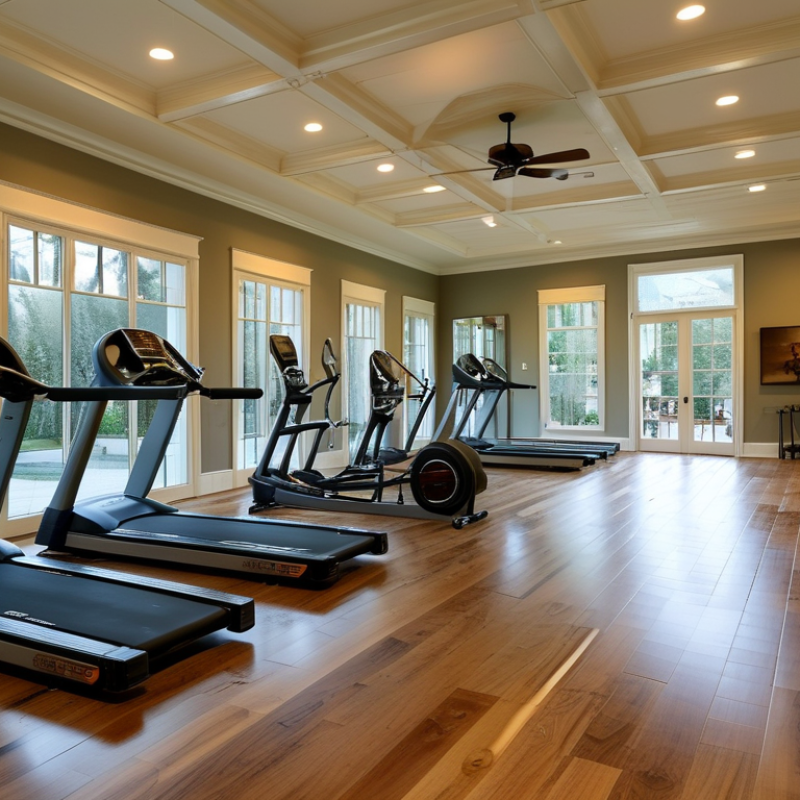
Choosing the Right Flooring Material for Your Home Gym
When transforming your second-floor space into a home gym, flooring choice is crucial. The right material can enhance your workout experience and protect your home. According to the National Floor Covering Association, proper flooring can reduce injuries by 30%. This statistic emphasizes the need to select the correct surface for exercises like yoga, weightlifting, or cardio.
Rubber and foam flooring are popular options for home gyms. They offer excellent shock absorption, making them safer for high-impact workouts. However, some may find these materials can retain odors over time. Another consideration is maintenance; hardwood floors, while aesthetically pleasing, can be slippery and require more care. According to a report from the Athletic Equipment Association, over 60% of home gym owners prefer easy-to-clean surfaces.
The environmental impact of flooring should not be ignored, either. Sustainably sourced materials can contribute to a healthier indoor climate. Nevertheless, some eco-friendly options may lack durability or comfort. This is where many gym owners face tough choices. Balancing aesthetics, safety, and sustainability requires careful reflection and research.
Considerations for Sound Absorption and Impact Resistance
Creating a home gym on your second floor can be a rewarding project. However, it requires careful consideration of flooring to ensure sound absorption and impact resistance. The right flooring can significantly affect your workout experience and your neighbors' peace.
Carpet tiles can offer excellent sound absorption. They provide a cushioning effect, ideal for exercises involving jumping or weights. However, they can be less durable and may trap odors.
On the other hand, rubber flooring is an excellent choice for impact resistance. It helps minimize noise while providing a stable surface for various workouts.
Hardwood floors can look stunning, but they may amplify sound. While they offer a classic aesthetic, they are not always the best for a gym setting.
Consider mixing a soft area rug with hardwood to balance style and function. Reflecting on the balance between aesthetics and practical use is essential. Each choice has its pros and cons, so take the time to evaluate what matters most for your space.
Popular Flooring Types: Pros and Cons for Fitness Activities
When choosing flooring for a second-floor home gym, consider various options that cater to different fitness activities. Popular choices include rubber, foam, and laminate flooring. Each has its own merits and drawbacks, making it crucial to assess their suitability.
Rubber flooring is favored for its durability and shock absorption. According to the National Institute for Sports Science, rubber can reduce impact on joints by up to 30%. It’s ideal for high-intensity workouts. However, it can be expensive and heavy, leading to installation challenges, especially on upper levels.
Foam flooring provides a softer and more forgiving surface. It’s lightweight and easy to install. Research shows foam can improve comfort during yoga or stretching routines. Yet, it may not hold up well under heavy weightlifting, leading to potential wear over time. Laminate flooring offers a balance between cost and appearance. While it looks appealing, it lacks sufficient cushioning. For activities like jumping or running, this could result in discomfort. Each flooring type presents trade-offs, requiring thoughtful consideration of your workout routines.
Top 10 Best Flooring Options for Your Second Floor Home Gym
This chart displays the pros and cons score for various flooring options suitable for a second-floor home gym based on factors like comfort, durability, and maintenance. Each score ranges from 1 to 10, providing a quick overview of their suitability for fitness activities.
Maintenance Requirements for Different Flooring Options
When selecting flooring for a second-floor home gym, maintenance is a critical factor. Different flooring options require varying levels of upkeep, which can impact long-term satisfaction. According to a 2022 industry report, 38% of homeowners regretted not considering maintenance when installing gym flooring.
Rubber flooring is popular, primarily for its durability and shock absorption. It's relatively easy to clean; a simple sweep and occasional mopping suffice. However, it can retain odors if not maintained properly. Carpet tiles offer comfort, but they require regular vacuuming and can stain easily, leading to higher maintenance concerns. In contrast, vinyl flooring has a low maintenance profile. It resists moisture and stains, needing only a damp mop occasionally.
Hardwood flooring provides aesthetic appeal but demands regular polishing and humidity control. Sanding and refinishing every few years can be an inconvenience. A 2023 analysis highlighted that 45% of hardwood users faced issues with wear and tear over time. Choosing the right flooring involves balancing maintenance needs with performance and personal preference. It’s vital to weigh how much effort you’re willing to dedicate to upkeep in your gym space.
Cost-Effectiveness of Flooring Choices for Home Gyms
Creating a home gym on the second floor is a great way to stay fit. However, choosing the right flooring is crucial for both functionality and cost-effectiveness. Some popular options include rubber tiles and foam mats. These materials are safe, durable, and provide excellent cushioning. They also absorb noise, which is essential for upper-level workouts.
Cost-effectiveness is a critical factor in selecting flooring. Rubber tiles may have a higher upfront cost but can last for years with proper care. Foam mats are budget-friendly but may wear out faster. It’s vital to calculate the long-term costs versus initial investments. Consider installation fees as well. Many homeowners underestimate these expenses, which can add to the overall budget.
When planning your gym, think about maintenance too. Certain materials require more upkeep than others. Routine cleaning can become a hassle, especially if you choose porous surfaces. Reflect on your workout habits. Will you use heavy weights or cardio equipment? This will influence your flooring choice significantly. Each option has pros and cons, and weighing them will lead to a more satisfying result. Balancing performance and costs often requires careful thought.
FAQS
: Maintenance is essential. Different flooring options vary in upkeep requirements. Many homeowners regret not considering this aspect.
Rubber flooring is easy to clean. Regular sweeping and occasional mopping keep it in good condition. Odor control is important.
Carpet tiles offer comfort but stain easily. They require frequent vacuuming. This can become tedious over time.
Yes, vinyl flooring is low maintenance. It resists moisture and stains, needing only damp mopping occasionally.
Hardwood flooring looks great but needs regular polishing. Sanding and refinishing can be inconvenient over time.
Cost-effectiveness is crucial. Rubber tiles may cost more upfront but last longer. Foam mats are cheaper but wear out quickly.
Yes, installation fees are frequently underestimated. They can significantly impact the overall budget for your gym flooring.
Your workout habits matter a lot. Using heavy weights or cardio equipment can guide you to a suitable flooring option.
Porous surfaces may require more cleaning. They can become a hassle to maintain, especially if used regularly.
Balance maintenance needs, performance, and cost. Reflect on your options carefully to ensure lasting satisfaction in your gym space.
Conclusion
When setting up a second-floor home gym, one crucial question arises: "What is the best flooring for a second-floor home gym?" Selecting the right flooring material requires careful consideration of factors such as sound absorption and impact resistance. The ideal flooring should absorb noise to prevent disturbances to neighbors and minimize vibrations that could affect the structure of the home.
Popular flooring options like rubber, foam, and vinyl each come with distinct pros and cons tailored for various fitness activities. Maintenance requirements can vary significantly across different materials, affecting long-term usability and cleanliness. Additionally, cost-effectiveness is a critical element, as homeowners must weigh initial investment against durability and upkeep. By understanding these factors, individuals can make an informed decision to create a functional and enjoyable workout space.

 PNZ Fitness