Creating a home gym is more achievable than many might think. With costs rising, a well-designed workout space can fit within a budget of $500. According to a 2022 report by the Global Health and Fitness Association, more people are opting for home workouts, with a 20% increase in home gym setups compared to the previous year. This trend highlights the rising importance of convenience and affordability in fitness.
Fitness expert John Smith, known for his insights on budget-friendly workout solutions, emphasizes, "You can build a quality home gym without breaking the bank." His research demonstrates that prioritizing versatile, space-saving equipment is key. Items like resistance bands, dumbbells, and a yoga mat can provide extensive workout options without overwhelming your budget or home.
However, budget constraints lead us to make tough decisions. One might sacrifice certain high-end machines or premium classes. Each choice requires thoughtful reflection on what truly benefits your fitness journey. Balancing quality and price is essential. Ultimately, building a home gym for under $500 requires creativity and smart planning. The question remains: How to build a home gym for under $500? It starts with understanding your needs and making informed decisions.
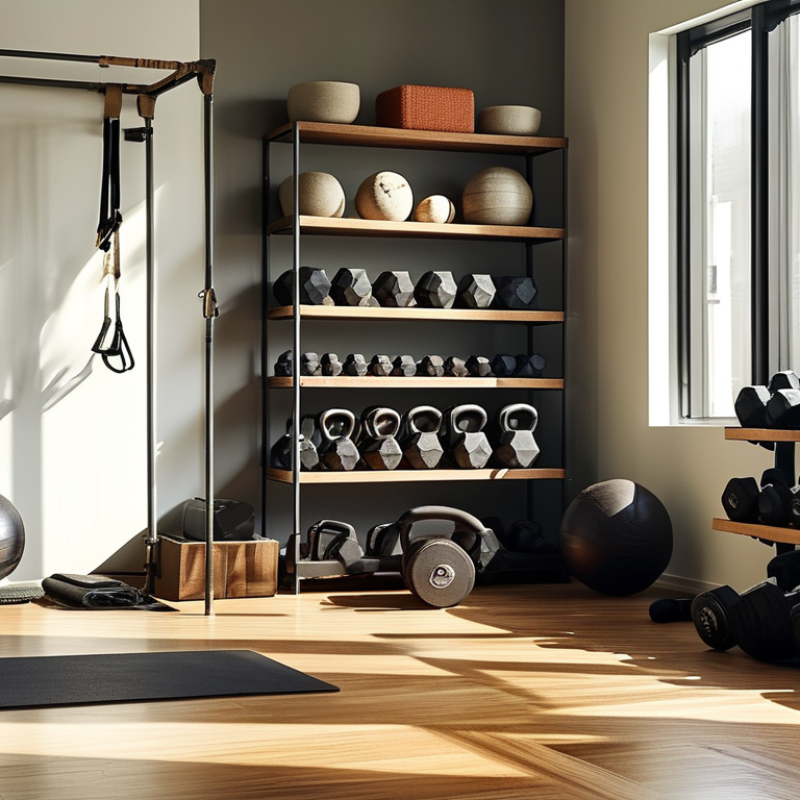
Assessing Your Space: Choosing the Right Area for Your Home Gym
Creating a functional home gym begins with assessing your space. According to the International Health, Racquet & Sportsclub Association (IHRSA), around 60% of people prefer working out at home due to convenience. Choosing the right area in your home is crucial for creating a motivating environment. Look for a room with natural light. It can boost your mood and enhance your workout experience.
Consider the size of the space. A 100-square-foot area can accommodate essential equipment like a yoga mat, dumbbells, or resistance bands. According to a study by the American Journal of Preventive Medicine, having a dedicated workout location increases consistency. Not everyone has a spare room, so think creatively. Convert a corner of your living room or even use outdoor space. Evaluate noise levels too; a quiet space supports focus during workouts.
The flooring is another important aspect. If possible, invest in mats or rubber flooring to protect your floors and joints. Be aware, though, that home gyms can feel cramped over time. It's easy to accumulate equipment that takes over space. Regularly reassess what you truly need. Minimalism can lead to a more enjoyable workout environment. This reflection helps in maintaining a space that inspires you to stay active.
Home Gym Equipment Budget Breakdown
This chart illustrates the potential costs associated with creating a home gym. Each category reflects a significant aspect of gym equipment investment, enabling you to make informed decisions while staying under a $500 budget.
Essential Equipment: Budget-Friendly Must-Haves for Effective Workouts
Creating a home gym on a budget can be a rewarding project. For effective workouts, focus on essential equipment that maximizes your investment. Start with some basic items that are both affordable and versatile.
Dumbbells are great for strength training. They don’t take much space. Aim for adjustable dumbbells to save more cash and accommodate various exercises.
A resistance band is another must-have. It’s lightweight and great for mobility exercises. Including a stability ball can also enhance core workouts and improve balance.
Tips: Look for second-hand options. Many people sell fitness equipment at lower prices. Always check the condition before buying. If space is limited, consider foldable mats for floor exercises. They are easy to store.
Lastly, invest in a jump rope for cardio workouts. It’s cheap but effective. You can enjoy a full-body workout without using much space. Reflect on your goals. Avoid buying equipment you may not use. Stay focused on your fitness journey. Small adjustments today can lead to big changes tomorrow.
Smart Shopping: Where to Find Affordable Fitness Gear and Supplies
Creating a home gym on a budget is doable. Smart shopping is crucial. A report from the International Health, Racquet & Sportsclub Association (IHRSA) states that home fitness equipment sales surged by 170% during the pandemic. This increased popularity means more options for affordable gear.
Look for online marketplaces, local classifieds, and thrift stores. These platforms often have lightly used equipment at a fraction of retail prices. Research suggests that buying second-hand can save shoppers 30-50%. Look out for seasonal sales or clearance items.
Embrace simplicity. Focus on essential gear like resistance bands, dumbbells, or mats. A study from IBISWorld highlights that home fitness tools often provide effective workouts, especially when money is tight.
However, don’t rush into purchasing everything. Reflect on your fitness goals. Evaluate whether items you want will genuinely enhance your workout experience.
Maximizing Functionality: Creative Ways to Enhance Limited Space
Creating a home gym on a budget is feasible, even in limited spaces. You don’t need extravagant equipment. Instead, focus on versatile tools. Resistance bands, dumbbells, and a yoga mat can fit easily in small areas. Use storage bins to keep your equipment organized. A clutter-free space encourages regular workouts.
Mirrors can enhance your room, making it feel larger. They reflect light and create the illusion of space. You can place them strategically to check your form during workouts. Add wall-mounted shelves for extra storage, too. This keeps your gym tidy and functional.
Lighting is essential as well. Natural light energizes your workout space and boosts your mood. Use curtains to control brightness. Consider floor lamps for evening workouts. By integrating smart storage solutions and optimizing light, you can craft a space that feels expansive and inviting. It’s about making small adjustments that can lead to a significant impact.
Staying Motivated: Tips for Keeping Your Home Gym Routine Engaging
Creating a home gym can initially sound daunting. However, the secret to maintaining motivation lies in making your workouts enjoyable. A study by the American College of Sports Medicine highlights that nearly 70% of individuals drop out of their fitness routines within the first six months. To combat this, consider setting small, achievable goals. These can provide you with a sense of accomplishment and keep you returning to your workouts.
Variety is essential in keeping a home gym routine engaging. Incorporating different types of workouts can prevent monotony. Research indicates that mixing cardio, strength training, and flexibility exercises can enhance overall performance by up to 30%. Try alternating between workout styles weekly. You might favor high-intensity interval training (HIIT) one week and yoga the next. Experimentation often reveals what you truly enjoy.
Finally, create a motivational environment. Decorate your space with inspiring quotes or visual reminders of your fitness goals. A report from the Journal of Physical Activity and Health suggests that a dedicated workout space can improve adherence to routines by over 50%. Reflect on your progress regularly. It helps you stay connected to your journey. Some days will be harder than others, and that’s okay. Embrace the imperfections along the way.
FAQS
: Look for natural light to enhance your mood. Evaluate the size and noise levels of the area.
Use creative solutions like converting a corner or outdoor space. Regularly check what equipment you need.
Start with versatile items like dumbbells, resistance bands, and a stability ball.
Check online marketplaces, thrift stores, and local classifieds for second-hand options.
Yes, they save space and money while being useful for various exercises. Reflect on your actual needs first.
Reassess your equipment and consider a minimalist approach. Less clutter can improve your workout environment.
Proper flooring protects your joints and reduces noise. Consider mats or rubber flooring for better comfort.
Use foldable mats for easy storage. A jump rope is cost-effective for cardio and requires little space.
Reflect on your fitness goals before buying. Focus on essential gear to avoid unnecessary expenses.
Conclusion
Creating a home gym on a budget is both achievable and rewarding. In exploring "How to build a home gym for under $500?", the first step involves assessing your available space to select the most suitable area for workouts. Following that, it’s essential to identify budget-friendly equipment that encompasses must-have items for effective exercise routines, ensuring you get the most out of your investment.
Smart shopping is key to finding affordable fitness gear, and knowing where to look can save you significant costs. Additionally, maximizing functionality through creative solutions can help you make the best use of limited space. Lastly, staying motivated is crucial; incorporating engaging elements into your routine will help keep your home gym experience enjoyable and effective. By following these guidelines, you can successfully set up a home gym that meets your fitness goals without breaking the bank.

 PNZ Fitness