Resistance bands offer a versatile way to simulate gym cable exercises at home. According to fitness expert Dr. Emily Stone, “Using bands effectively can mirror the cable machine experience.” When we think about how to simulate gym cable exercises at home with bands, it’s essential to understand the unique benefits these tools provide.
Resistance bands are lightweight and portable, making them ideal for at-home workouts. However, without proper technique, you might not achieve the same results. Pay attention to your form. Ensure that you’re maintaining tension throughout each exercise. This makes a significant difference in muscle engagement.
While bands can be highly effective, they do come with challenges. Mastering the right resistance can be tricky. Too little, and you won’t feel challenged. Too much, and you risk injury. Finding that sweet spot requires practice and patience. Embrace the learning curve as you improve your skills. Ultimately, with dedication and the right approach, you’ll discover the power of bands for your workout routine.
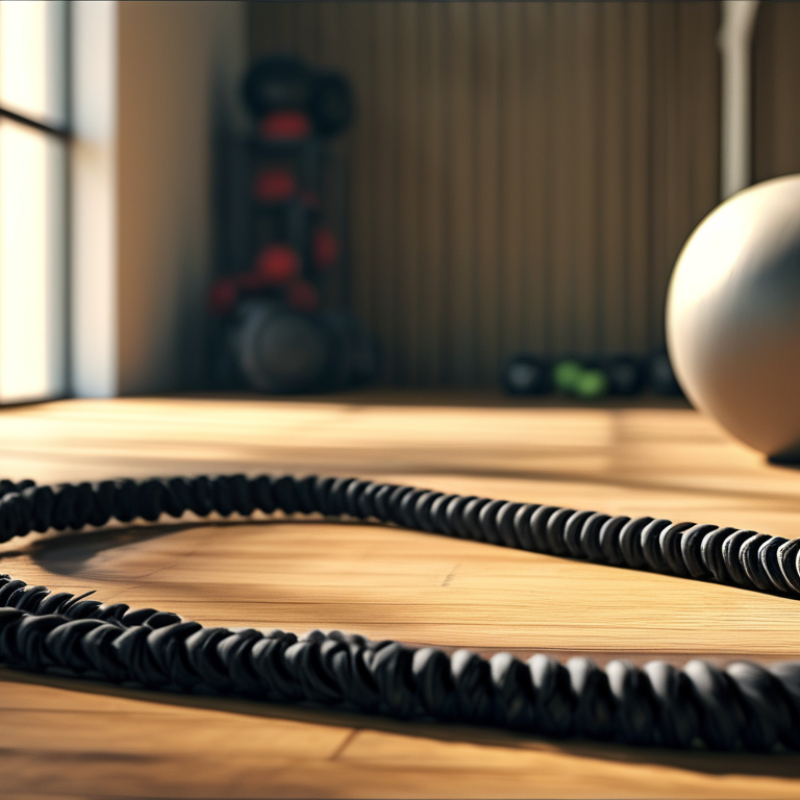
Resistance bands have gained popularity in gym cable workouts for several reasons. They provide versatile training options. Resistance bands add a unique element to traditional cable exercises. They can enhance muscle engagement and provide constant tension throughout the movement.
When incorporating resistance bands, aim for proper form. This will ensure safety during your workouts. Consider using bands with different resistance levels. This allows you to adjust the intensity effectively. Choose bands that complement the cable system you’re using.
A useful tip is to integrate bands into both strength and flexibility training. They can help improve your range of motion. It’s also advisable to mix resistance levels in your routine. It will keep your workouts fresh and challenging. Remember, focusing on your breath while exercising can improve performance. Resist the urge to rush through sets. Take your time to feel the muscle working. A mindful approach often yields better results.
This chart compares the effectiveness of resistance bands and cable workouts across various dimensions such as strength gain, muscle endurance, flexibility, cost effectiveness, and portability. Resistance bands show higher scores, indicating their advantages in these areas.
Choosing the right resistance band is crucial for effective workouts. Resistance bands come in various levels. Each level provides a different degree of difficulty. A lighter band is suitable for beginners. It allows you to focus on form and control. Heavier bands work well for those seeking a more intense workout. They challenge your muscles more.
When selecting a band, consider your fitness goals. Are you building strength or increasing endurance? Higher resistance bands suit strength training. They force your muscles to work harder. A mid-level band is great for full-body exercises. It provides versatility for various muscle groups.
You’ll need to test different bands to find the right fit. Sometimes, a band may feel too easy or challenging. Don’t hesitate to switch bands during workouts. This can keep things interesting and effective. Remember, the goal is progress. Tracking your improvements is essential too. Adjusting resistance bands can lead to significant gains over time.
Incorporating resistance bands into traditional gym cable exercises can enhance your workout routine. These bands add varied resistance, making your muscles work harder. They are portable and versatile, allowing you to perform numerous exercises.
Using resistance bands with cable machines can target specific muscle groups more effectively. For example, when doing cable rows, attach a band to the pulley and hold each end. This adds an extra challenge, forcing your back muscles to engage fully. You might notice this variation challenges your stability as well.
**Tips:** Start with a lighter band to master the form. Gradually increase resistance as you gain confidence. Listen to your body and avoid overextending yourself. Proper form is crucial to prevent injuries.
Another effective way to use bands is during cable chest presses. Wrap the band around your back, holding the ends as you push outwards. This not only intensifies the exercise but also promotes better muscle activation. Tracking your progress is vital. Keep a workout journal to reflect on improvements and areas that may require adjustment.
When using resistance bands for gym cable workouts, safety should be your top priority. Many fitness enthusiasts overlook the importance of proper usage, which can lead to injuries. According to a study by the National Academy of Sports Medicine, improper use of resistance bands accounts for a significant percentage of gym-related injuries. Ensure you inspect your bands for any wear and tear before starting your workout.
Correct anchoring is crucial. Attach your bands securely to a stable surface. Avoid using bands that feel stretched beyond their safe limit. A band that is too stretched can snap, causing potential injury. Be aware of your surroundings, too. Make sure there is enough space around you to avoid accidental collisions during your workout.
Tips: Start with light resistance to gauge your strength. Gradually increase resistance as you get comfortable. Always maintain controlled movements to avoid sudden strains. Listen to your body; if you feel pain, stop immediately. Reflecting on your form is vital. Are you keeping your back straight? Is your grip secure? Adjust as necessary to prevent injury and improve your workout.
| Exercise | Muscle Group Targeted | Resistance Level | Safety Tips |
|---|---|---|---|
| Chest Press | Chest, Shoulders, Triceps | Medium | Ensure band is securely anchored. Avoid overstretching. |
| Seated Row | Back, Biceps | Medium to Heavy | Keep back straight. Control the resistance during the release. |
| Squats | Legs, Glutes | Light to Medium | Use proper form. Do not allow knees to extend past toes. |
| Shoulder Press | Shoulders, Triceps | Medium | Keep core engaged. Avoid arching the back. |
| Lateral Band Walks | Hip Adductors, Glutes | Light to Medium | Maintain tension in the band. Keep movements controlled. |
Tracking strength gains with resistance bands can be both rewarding and challenging. Start by establishing a baseline for your strength. Record the number of repetitions you can perform using different resistance levels. This helps you see where you stand and sets a reference point for future workouts. Keep a journal of your sessions, noting the resistance used, exercises performed, and how you felt.
As you progress, take time to reflect on your training. Sometimes, it can feel like gains are slow or even nonexistent. That's normal. Your body may need time to adapt. Regularly reviewing your records will show small improvements that may go unnoticed. For instance, you might find you can perform one more rep or increase resistance slightly. These minor milestones matter.
Consider using visual aids, like photos or measurements, to see physical changes. Assess how you feel during workouts. Are you stronger? More energetic? Tracking these aspects creates a holistic view of your growth. Remember, progress isn’t always linear. Celebrate the journey, including moments of frustration. It’s part of building a stronger you.
: Resistance bands enhance muscle engagement and provide constant tension during exercises. They also offer versatile training options.
Focus on controlled movements and avoid rushing. Proper form ensures safety and improves workout effectiveness.
Use bands with varying resistance levels. This allows you to adjust intensity according to your workout needs.
Incorporate bands into flexibility training to help improve your range of motion over time. It’s a useful addition.
Inspect the bands for wear and tear. Ensure they are securely anchored to avoid accidents during workouts.
Yes, adding bands to cable exercises like rows increases muscle engagement, making your workout more targeted and challenging.
Keep a workout journal to note improvements and reflect on areas that need adjustment. It helps maintain motivation.
If you experience pain, stop immediately. Reflect on your form and make necessary adjustments to prevent injuries.
No, rushing can lead to poor form and injuries. Take your time to feel the muscle engagement during exercises.
Begin with lighter bands to master your form. Gradually increase resistance as you gain confidence and strength.
Resistance bands offer a versatile and effective tool for enhancing gym cable workouts, providing unique benefits such as portability, adaptability, and varied resistance levels. When learning how to simulate gym cable exercises at home with bands, it’s crucial to choose the right resistance level that corresponds to your fitness goals. By incorporating resistance bands into traditional exercises, you can achieve a full-body workout that mimics the effects of cable machines while working on your strength and stability.
Furthermore, safety should be a top priority; using bands correctly can prevent injuries and maximize workout benefits. Tracking your progress over time is also essential, as it allows you to measure strength gains and make necessary adjustments to your routine. With the right approach, resistance bands can effectively complement your gym workouts or serve as an excellent substitute when training at home.

PNZ Fitness