Is your treadmill emitting a loud squeaking noise? You’re not alone. Many users face this frustrating issue. According to fitness equipment specialist Dr. Sam Reynolds, “Understanding the source of the squeak is essential for effective fixes.”
This noise can arise from various components. It might be the treadmill belt rubbing against the platform. Loose bolts can also contribute to the sound. Neglecting these problems can lead to bigger issues down the road. Users must inspect their treadmills regularly to prevent wear and tear.
Additionally, lubrication plays a key role in maintenance. A squeaky treadmill often indicates that the belt needs oiling. Ignoring this maintenance can affect the machine's performance. Understanding why your treadmill makes noise is crucial for keeping it functional. Ultimately, addressing the question, "Why is my treadmill making a loud squeaking noise?" can ensure a quieter, smoother workout experience.
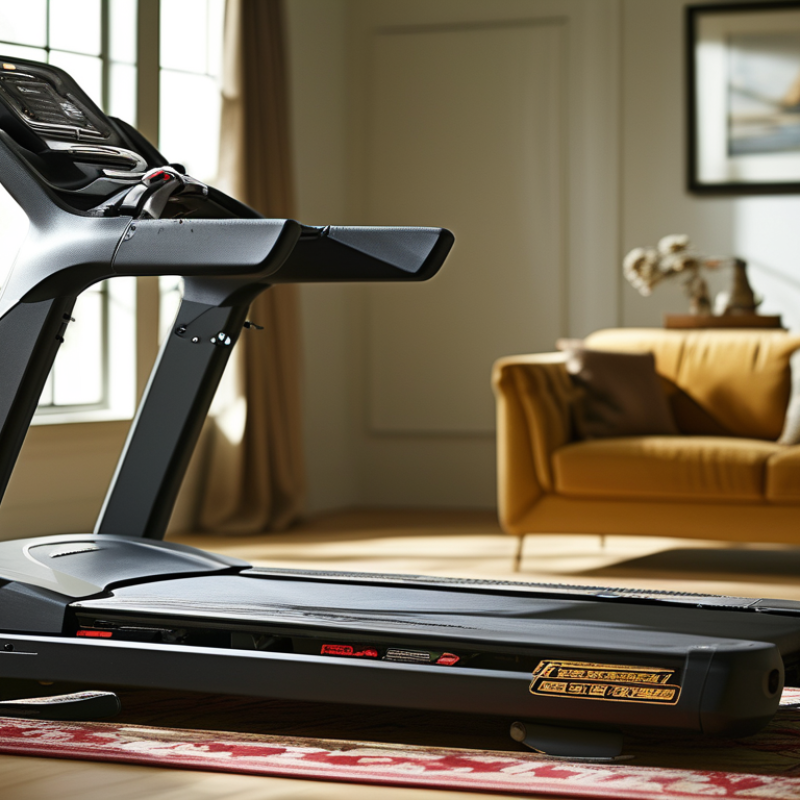
Identifying the source of a loud squeaking noise on your treadmill can be challenging. The sound often indicates friction between moving parts. Start by examining the belt. Over time, it can become misaligned or worn, causing it to rub against the machine's frame. Adjust the belt tension according to your treadmill’s manual. A loose or overly tight belt can lead to unnecessary noise.
Next, check the lubrication points. Lack of lubricant can make parts squeak as they move. Use a silicone-based lubricant on the belt and the deck. Apply it sparingly and wipe away excess. Listen closely while the treadmill runs after lubricating. If the noise persists, inspect the rollers. Dirty or damaged rollers can emit a loud, irritating squeal. Cleaning them may help, but replace them if they appear worn.
Remember, regular maintenance is key. Keep the treadmill clean to avoid dust buildup. This not only keeps it quiet but can also extend the machine's life. If you cannot identify the source of the noise, it may be helpful to consult a professional. They can provide insights that you might easily overlook.
The treadmill deck and belt play crucial roles in its performance. Over time, wear and tear can lead to uncomfortable noises, including squeaking. To address this issue, begin by inspecting the treadmill deck for any visible damage or irregularities. Look for deep scratches or dents. These can cause friction and noise when the machine is in use.
Next, focus on the belt. A misaligned or worn-out belt often generates unwanted sounds. Check for any signs of fraying or cracking along the edges. A loose belt can also create a loud squeak. Make sure it is centered and tensioned correctly. Adjusting the tightness can vary the noise significantly.
Regular maintenance is essential in ensuring your treadmill runs smoothly. Cleaning the deck and belt frequently can help prolong their lifespan. If squeaking persists after these inspections, it may require professional attention. Understanding the components of your treadmill leads to sound decisions about repairs. Prioritize your equipment's upkeep to enhance your workout experience.
A loud squeaking noise from your treadmill can be annoying. This often happens due to a lack of lubrication on the treadmill belt and other moving parts. Regular maintenance is essential for a smoother and quieter workout experience.
Lubricating the treadmill belt is key. Use a silicone-based lubricant to reduce friction. Apply the lubricant evenly along the length of the belt. Remember, too much lubricant can cause buildup. Wipe off excess to avoid creating a slippery surface. Check the manufacturer's guidelines for specific instructions.
Another area to focus on is the roller and motor. Dust and debris can accumulate, leading to squeaks. Cleaning these components ensures proper function. After cleaning, apply a small amount of lubricant on the rollers. This simple step can greatly reduce noise.
Pay attention to the tension of the belt as well. A belt that is too tight or too loose can also produce sounds. Adjusting the tension properly can help. Check regularly to maintain balance. This small maintenance can prevent more significant issues down the line.
| Component | Common Issues | Recommended Action | Frequency of Maintenance |
|---|---|---|---|
| Treadmill Belt | Squeaking or grinding noises | Lubricate with silicone spray or treadmill lubricant | Every 6 months |
| Rollers | Noisy when in motion | Clean and lubricate the end bearings | Every 3 months |
| Motor | Overheating or loud noises | Check for obstructions and clean; lubricate ports | Annually |
| Deck | Uneven surface leading to squeaks | Ensure proper alignment and leveling | As needed |
| Console | Loose connections causing noise | Check and tighten any screws or connections | Every 6 months |
When you hear a loud squeaking noise from your treadmill, it can be frustrating. One effective way to address this issue is by tightening any loose bolts and screws. Over time, components may loosen due to regular use, creating unwanted sounds. According to a report by the Fitness Equipment Association, nearly 40% of treadmill maintenance issues arise from loose parts.
Inspecting the treadmill’s frame and belt is crucial. Pay close attention to the bolts securing the motor, deck, and frame. A socket wrench can help in tightening them properly. Tightening these bolts not only reduces noise but also enhances the treadmill’s stability, decreasing the risk of accidents. A standard maintenance checklist should include periodic inspections of all screws and bolts, preferably every six months, to ensure you catch wear early.
While addressing these maintenance tasks, consider that not every squeak indicates a serious problem. Sometimes, the noise may stem from other factors, like lubrication issues. Keeping the treadmill’s belt well-lubricated can further minimize noise. Reflections on past maintenance routines can prompt users to invest in better upkeep practices to ensure lasting performance. Regular attention and a proactive approach can significantly extend the lifespan of your treadmill.
A treadmill can be a great workout tool, but it can also come with unexpected noise issues. Regular maintenance is key to preventing loud squeaking sounds. Keeping your treadmill in top condition requires commitment and attention to detail.
One effective way to ensure quiet operation is to lubricate the belt regularly. Use proper lubricants according to the manufacturer’s guidelines. This reduces friction and can eliminate those annoying squeaks. Remember to check the tension of the belt as well. A loose belt can cause noise and wear over time.
Another important aspect is cleaning your treadmill. Dust and debris can accumulate in the motor and under the belt, leading to operational issues. Wipe down surfaces regularly and inspect the belt for any signs of wear. If you spot any fraying or cracking, it’s time to replace the belt. Doing so can prevent larger problems down the line.
Don’t overlook the importance of checking bolts and screws periodically. Loose parts can contribute to noise. Tightening them may solve your problem, providing you with a smoother experience. These small, consistent actions can lead to a quieter and more effective treadmill workout.
: A squeaking noise often indicates friction between moving parts, like a misaligned or worn belt.
Look for signs of fraying or cracking along the edges. Check if it's centered and properly tensioned.
Use a silicone-based lubricant. Apply it evenly on the belt and wipe away excess. Avoid over-lubricating.
Inspect the rollers for dirt or damage. Cleaning them might help, but replace them if they are worn.
Regular maintenance is essential. Clean the deck and belt frequently to prevent dust buildup.
Neglecting maintenance can lead to increased noise and damage, ultimately affecting workout performance.
Yes, if you cannot identify the noise source, a professional can offer insights that you might miss.
Yes, older treadmills may have more wear and tear, leading to louder squeaks and potential performance issues.
If you're wondering, "Why is my treadmill making a loud squeaking noise?", the answer often lies in a few common issues that can be easily addressed. Start by identifying the source of the squeaking; it may be coming from the treadmill deck or belt, which can wear down over time. Inspect these areas for any signs of damage and ensure they are in good condition.
Lubricating the treadmill belt and other moving parts is crucial to reduce friction and eliminate noise. Additionally, checking for loose bolts and screws is essential, as tightening these can significantly minimize squeaks. To prevent future noise issues, performing regular maintenance on your treadmill will not only prolong its lifespan but also ensure a quieter workout experience.

PNZ Fitness