Can I Place a Heavy Squat Rack on My Balcony Safely?

Time:2026-05-16 Author:Aria
0%

When considering home fitness options, the question arises: "Can I put a heavy squat rack on a balcony?" This inquiry reflects a growing trend where urban dwellers seek innovative ways to integrate workout spaces into limited areas. Balconies often provide a unique opportunity for exercise enthusiasts. However, safety and structure must be examined carefully before making such a decision.

The weight of a heavy squat rack and the impact of dynamic movements can stress a balcony's design. Many balconies are not engineered to hold significant weight. Evaluating weight limits is crucial to avoid potential accidents. A thorough assessment involves checking the materials used in construction and consulting with professionals to ensure safety.

While the enthusiasm for fitness is commendable, it's essential to reflect on the implications of placing heavy gear outdoors. Neighbors might be affected by noise and vibrations. Balancing personal goals with community considerations can be a challenge. Exploring alternatives, such as adjustable or lighter equipment, may prove beneficial. Ultimately, the question is not just about capability but also about responsibility in shared living spaces.
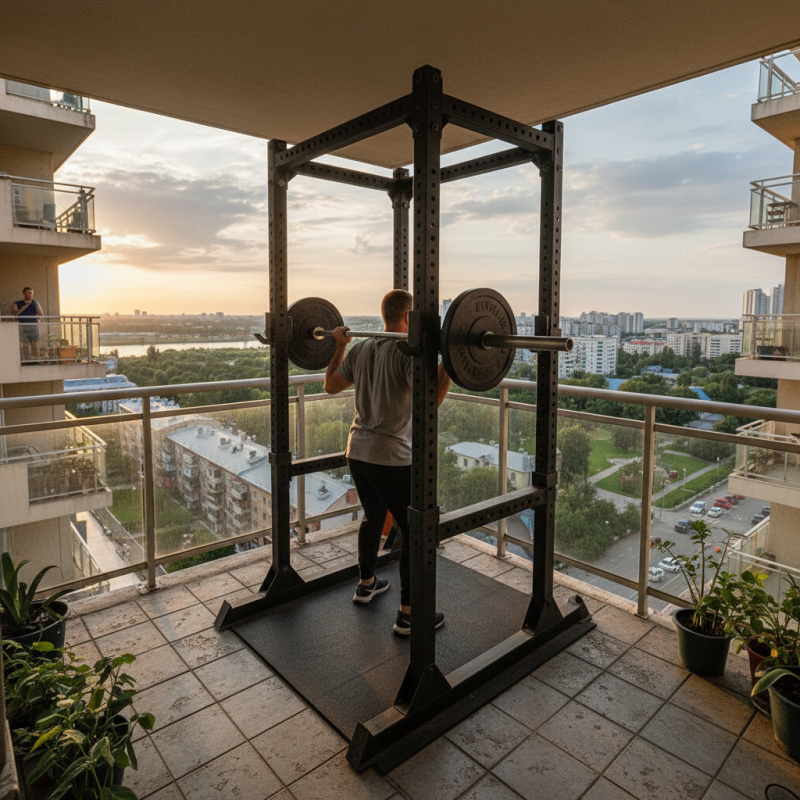
Can I Place a Heavy Squat Rack on My Balcony Safely?

Considerations for Placing a Heavy Squat Rack on a Balcony

Placing a heavy squat rack on your balcony requires careful consideration. Before you decide, assess your balcony's structural strength. Balconies have weight limits. Ensure yours can support the additional load of the squat rack along with your body weight. Inspect the balcony for any damage or weaknesses. Cracks or loose railings can indicate a risk.

Next, think about the surrounding environment. Weather conditions can affect your equipment. Rain can cause rust, while strong winds might pose a danger. Consider using protective covers to shield the squat rack from the elements. This will help maintain its integrity.

Finally, reflect on safety and noise. Heavy lifting can create vibrations. Be mindful of neighbors below. Ensure the floor surface is suitable and can absorb sound. Adding rubber mats under the rack can help reduce noise and protect the balcony's surface. Always prioritize safety and structural integrity when making your decision.

Evaluating Balcony Weight Limits and Structural Integrity

When considering placing a heavy squat rack on your balcony, understanding the structure is crucial. Balconies are designed with specific load limits, and these can vary significantly based on materials and design. Most residential balconies can support about 40 pounds per square foot. A standard squat rack can weigh over 300 pounds, and the combined weight with additional weights can exceed this limit.

Inspecting the integrity of your balcony is essential. Look for signs of wear in the materials. Cracks or rust can indicate potential problems. Consulting a structural engineer can provide reassurance. They can evaluate if your balcony can safely hold the squat rack. It is also wise to consider the distribution of weight. Placing the rack closer to a wall may reduce stress on the balcony’s edge.

Think about the surrounding environment as well. Wind can affect stability. Heavy winds may cause shifting or tipping. Creating a secure system to stabilize the rack is important. Also, consider how often you'll use the equipment. Regular heavy lifting may strain your balcony over time, leading to deterioration. This decision requires careful thought and planning.

Balcony Weight Limits and Safe Squat Rack Placement

Safety Precautions for Heavy Equipment on Balconies

When considering placing a heavy squat rack on your balcony, safety is paramount. Balconies often have weight limits, typically ranging from 40 to 60 pounds per square foot. A standard squat rack can weigh well over 200 pounds, not including additional weights. This could easily exceed the structural capacity. It's crucial to check your balcony's specifications before making any decisions.

Tip: Inspect your balcony’s age and construction materials. Older balconies may not withstand heavy weights as well. If unsure, consult a structural engineer. They can assess the weight limits accurately.

Moreover, wind and weather conditions play a significant role. High winds could destabilize equipment, posing risks to users. According to a report from the National Building Code, outdoor equipment should be anchored firmly to prevent accidents. Use proper securing methods and consider weatherproofing your setup.

Tip: Always ensure the area around your squat rack is clear to avoid injuries. Having a safety mat underneath can also help in reducing the impact during any falls or accidents.

Reflect on weight distribution as well. Uneven weight can lead to catastrophic failures. Balancing weights, checking the surroundings, and reviewing safety needs can help make informed decisions.

Alternative Solutions for Exercise Equipment in Small Spaces

Finding the right exercise equipment for small spaces can be challenging. Heavy squat racks are typically not ideal for balconies. They can exceed weight limits and create safety issues. Instead, consider equipment that offers versatility and stability. Resistance bands are a fantastic alternative. They are lightweight and can provide effective strength training.

Research shows that bodyweight exercises can be just as effective as weight lifting for building muscle. A study published in the Journal of Strength and Conditioning Research indicates that bodyweight exercises yield similar strength gains as traditional resistance training. Push-ups, lunges, and planks require no additional space or heavy equipment.

Another solution is to use adjustable weights. They take up less room than a full set of weights. Compact and portable, they can easily fit under a bed or in a closet. Moreover, kettlebells offer various workout options without taking much space. Just be mindful of your balcony’s weight capacity. Always prioritize safety and stability when selecting exercise equipment for small living areas.

Can I Place a Heavy Squat Rack on My Balcony Safely? - Alternative Solutions for Exercise Equipment in Small Spaces

Equipment Type Weight (lbs) Recommended Surface Material Safety Considerations Alternatives
Heavy Squat Rack 200 Concrete, Reinforced Wood Check weight capacity of balcony Foldable Squat Rack
Adjustable Dumbbells 50 All Non-Slip Surfaces Ensure stability on surface Resistance Bands
Kettlebells 35 Rubber or Vinyl Coated Floors Avoid dropping weights Bodyweight Exercises
Barbell 45 Matting, Thick Carpet Secure weights properly Medicine Ball

Local Regulations and Building Codes Regarding Balcony Use

When considering placing a heavy squat rack on your balcony, local regulations and building codes are crucial. Different municipalities have varying rules about balcony use. Before installation, check your city’s building codes. Many local guidelines specify weight limits for balconies, often ranging from 40 to 100 pounds per square foot.

Additionally, consult your building’s management. They may have specific policies about equipment and weights allowed. In multi-unit buildings, the structural integrity of balconies may be a concern. A study by the American Society of Civil Engineers notes that improperly supported structures can lead to serious safety hazards. If the balcony cannot handle the load, it poses risks not only to you but also to neighbors below.

Finally, consider the balcony material. Wood, concrete, and composite materials have different weight tolerances. Regular inspections are vital. Cracks or warping in the structure could indicate problems. Engaging a structural engineer for advice can provide peace of mind and ensure safety. After all, a sound decision today prevents potential hazards tomorrow.

FAQS

: How can I assess my balcony's weight limits for a heavy squat rack?

: Inspect your balcony for its specifications and design. Most can support 40-60 pounds per square foot.

What should I look for when inspecting my balcony?

Check for cracks, rust, or weaknesses in the material. Any signs of deterioration are concerning.

Is it necessary to consult a professional before placing a squat rack?

Yes, a structural engineer can evaluate your balcony's capacity and provide reassurance.

What environmental factors should I consider?

Weather conditions like rain may cause rust. Winds can destabilize heavy equipment.

How can I protect my squat rack from the elements?

Use protective covers to shield it. This helps maintain the rack’s integrity over time.

What precautions should I take to enhance safety?

Ensure the area is clear and consider using safety mats beneath the rack for fall protection.

How does weight distribution affect stability?

Unevenly distributed weight can lead to failures. Balance the weights and position the rack wisely.

Why should I consider how often I use the squat rack?

Regular heavy lifting may strain the balcony over time, potentially leading to deterioration.

What are the risks of heavy lifting on a balcony?

Heavy lifting can create vibrations and noise, which may disturb neighbors or compromise safety.

What actions can I take if I feel uncertain about my balcony's strength?

Reflect on your findings and consider postponing the setup until you have professional advice.

Conclusion

When considering the question, "Can I put a heavy squat rack on a balcony?", there are several important factors to evaluate to ensure safety and compliance. First, understanding the weight limits and structural integrity of the balcony is crucial, as balconies are often engineered to support specific loads. Assessing whether the flooring can handle the weight of heavy equipment is a priority. Additionally, it’s essential to implement safety precautions, such as securing the squat rack and ensuring the area is clear to prevent accidents.

For those living in small spaces, alternative solutions for exercise equipment can also be explored, such as using foldable or lighter options that do not compromise safety. Lastly, it's wise to check local regulations and building codes regarding balcony use, as they may dictate what can be placed externally. By carefully considering these aspects, one can determine the feasibility of placing a heavy squat rack on a balcony safely.

Aria

Aria

Aria is a dedicated marketing professional with a deep passion for innovative strategies and a keen understanding of our company's product offerings. With a wealth of experience in the industry, Aria excels at crafting engaging content that highlights the unique features and benefits of our......