How Often Should You Check Home Gym Bolts 5 Tips?

Time:2026-10-30 Author:Charlotte
0%

A home gym can feel solid for months, then develop a faint click during a row or a slight wobble under a bench. Those small changes deserve attention. How often should I check the bolts on my home gym? The safest schedule depends on the equipment maker’s instructions, how often you train, and whether the machine gets moved. Your owner’s manual should guide the final call.

As a practical routine, look over visible bolts and joints before each workout, then give the equipment a closer check about once a month. Frequent use, heavy loads, recent assembly, or moving the machine may call for an extra inspection. Check for gaps, rust, shifting washers, and hardware that turns by hand. Don’t overtighten bolts; excess force can damage threads or frame parts. Use the correct tool and follow the specified tightening guidance. A quick glance is not a full inspection. Still, it can catch a problem early.

Pay close attention to high-movement areas, such as cable pulleys, seat supports, and folding hinges. If you hear a new clunk or feel unusual movement, stop using the equipment until you identify the cause. Replace damaged hardware only with parts approved for that model. I used to think a quiet machine was a secure one. That isn’t always true. A short, consistent check takes little time, and it can help keep workouts stable and predictable.
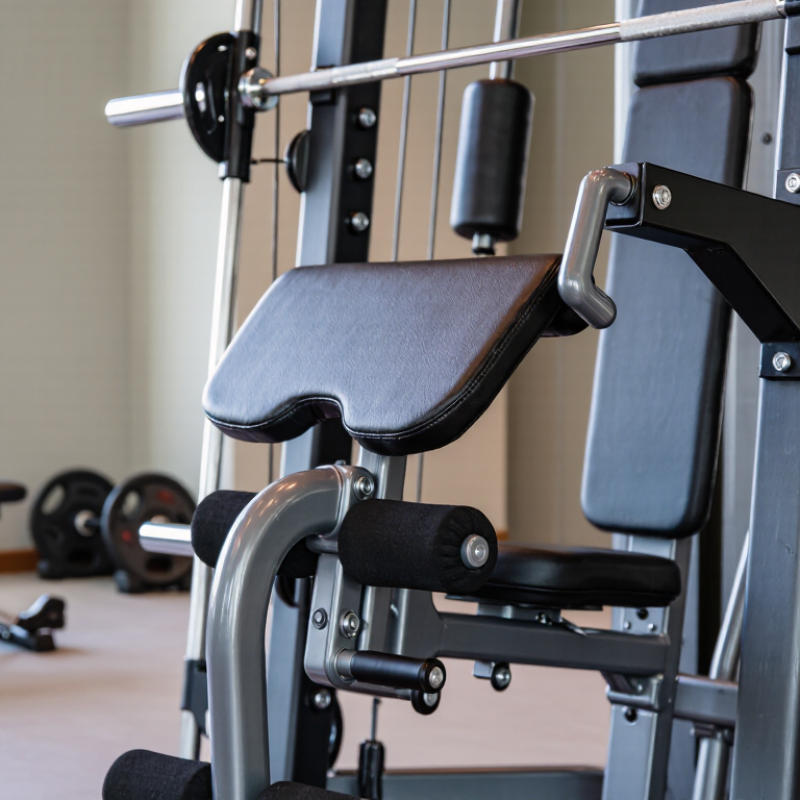
How Often Should You Check Home Gym Bolts 5 Tips?

Set a Baseline: Check Bolts Before First Use and After Assembly or Moving

Before using a home gym for the first time, set a clear baseline. Check every visible bolt after assembly, then repeat the inspection if the equipment has been moved. Use the assembly instructions to identify the correct fasteners and tightening method. A quick look can miss a loose joint, so gently test the frame for movement on a level floor. Keep the tool nearby.

Tip: Check the seat, handles, pulley supports, and frame joints. Look for gaps, shifting washers, or metal dust near a connection. These small clues can be easy to overlook when you are eager to start exercising.

After moving the equipment, inspect it before your next workout, even if you only shifted it across the room. Transport can loosen connections or change how the frame sits. Tighten only as the instructions recommend; more force is not always safer and may damage threads. If a bolt keeps loosening, a part looks cracked, or the frame still wobbles, stop using the machine until you can identify the cause. A checklist helps, though I admit it is easy to skip when everything appears fine.

Before Each Workout, Scan Joints; Check for Looseness at Least Monthly

Before each workout, scan the joints that carry moving or body weight: frame corners, seat rails, pulley brackets, and foot connections. Look for a bolt head that has shifted, a widening gap, fresh metal dust, or a washer sitting crooked. Notice anything unusual? Pause before loading the machine.

A quick visual check takes less than a minute. If a joint looks loose, stop and inspect it closely; do not keep exercising to see whether it gets worse. Use the equipment manual for tightening instructions and torque limits. Too much force can damage threads or deform a frame. A squeak alone may come from a moving part, but it deserves attention when paired with visible movement.

At least once a month, check every accessible fastener, including bolts hidden beneath seats or near floor-level supports. A small flashlight helps reveal gaps and rust. Gently test for movement without yanking the frame, then tighten only as directed. Keep a simple note of what you checked and when. It is easy to forget, especially after a busy week. If a bolt repeatedly loosens, or you find a crack, stop using that station and seek qualified repair advice.

Follow the Manual’s Torque Specs—There Is No Universal Bolt-Torque Value

Home gym bolts do not share one safe torque value. Frame thickness, bolt grade, washer type, and joint design all affect the correct setting. Follow the equipment manual’s torque specification for each connection. If the value is missing or unclear, contact the manufacturer’s support team instead of copying a number from another machine.

Check the manual before assembly, and keep it nearby for maintenance. Inspect bolts before workouts for visible gaps, rust, or shifting parts. Pay close attention to joints around the seat, uprights, and moving arms. I might be tempted to judge tightness by feel, but a firm hand is not a measuring tool. No guesswork.

Use a torque wrench with a suitable range, and follow the manual’s tightening sequence if one is provided. Avoid adding oil or grease unless instructed; lubrication can change how much clamping force a torque reading creates. Recheck connections after moving or adjusting the equipment, then follow the manual’s routine inspection schedule. If a bolt repeatedly loosens, stop using that station and check for damaged threads or worn parts rather than tightening it harder. Small details matter.

Use ASTM F2276 and ISO 20957 as Stationary-Equipment Safety References

How Often Should You Check Home Gym Bolts 5 Tips?

ASTM F2276 and ISO 20957 offer useful safety references for stationary fitness equipment. They address areas such as equipment stability, structural integrity, and safe use. They do not prescribe one universal bolt-check schedule for every home gym. Follow the equipment maker’s maintenance instructions, and inspect more often after moving equipment or noticing unusual movement.

A CPSC NEISS report estimated 445,642 emergency-department-treated injuries involving exercise equipment in the United States in 2022. That figure covers many equipment types and injury causes; it does not show how many incidents involved loose bolts. Still, it supports taking basic inspections seriously. Check fasteners before use, especially on benches, racks, and machines that shift under load. Look for gaps, rust, cracked paint around joints, or a bolt head that turns by hand. Stop using equipment if a connection feels unstable. Small warning signs matter.

Use the specified tool and tightening method; overtightening can damage threads or tubing. Recheck bolts after assembly and after the first few workouts, then set a regular schedule based on use and the manufacturer’s guidance. A weekly glance may suit heavily used equipment, but it is not a standard requirement. I’d rather inspect one joint twice than assume a quiet workout means everything is secure.

How Often Should You Check Home Gym Bolts 5 Tips? - Use ASTM F2276 and ISO 20957 as Stationary-Equipment Safety References

Tip When to check What to inspect What to do
1. Do a quick visual check Before each workout Look for missing or visibly backed-out bolts, shifted joints, cracked parts, or unusual movement. Do not use equipment that appears unstable or damaged. Follow its instructions for inspection and repair.
2. Check fasteners after assembly After initial assembly and after any disassembly or relocation Confirm that assembly is complete and the frame and bolted connections are seated as described in the equipment instructions. Use the specified hardware and assembly method. Recheck after setup before returning the equipment to use.
3. Set a routine check interval For frequent use, a practical starting point is a closer inspection about once a month; check more often if the equipment is heavily used or the instructions require it. Inspect accessible structural joints and fasteners for looseness, corrosion, wear, or damage. Use the equipment’s maintenance schedule when available. There is no single interval that fits every machine and usage pattern.
4. Recheck after unusual events After a hard impact, abnormal noise or movement, or a change in stability Check the affected area and nearby connections, frame parts, and moving components. Stop using the equipment until the cause is identified and any necessary repair is completed according to the instructions.
5. Tighten carefully—not automatically When a fastener is confirmed loose, or at the interval specified in the equipment instructions Check the fastener and its surrounding parts for damage before tightening. Use the specified tool and torque value if provided. Do not overtighten, substitute hardware, or continue using stripped or damaged threads.

Standards note: ASTM F2276 and the ISO 20957 series are references for stationary training equipment safety and testing. They are not a substitute for the equipment’s instructions, and this table does not claim that either reference sets a universal bolt-check frequency. Check the applicable edition and product documentation for specific requirements.

Log Checks and Replace Damaged Fasteners With Manufacturer-Specified Parts

A home gym does not need complicated maintenance, but its fasteners deserve a regular look. Check the equipment at the interval stated in its manual, and inspect it before use if it has been moved or reassembled. With frequent training, a brief weekly check is a sensible routine. Stop and investigate if you hear a new rattle or feel unexpected movement.

Keep a simple log near your workout area. Note the date, equipment, bolt location, and what you observed. For example: “Oct. 12, bench rear leg, slight movement; tightened per manual.” Small clues matter. A log can reveal a fastener that repeatedly loosens, even when each check seems minor. I used to think a quick glance was enough; it can miss a shifting washer or a hairline crack.

Replace corroded, bent, stripped, or otherwise damaged fasteners rather than trying to make them work. Use parts that match the manufacturer’s specifications for size, grade, length, and washer type. A bolt that fits the hole may still be the wrong part. Avoid substituting hardware based only on appearance, and do not overtighten; excess force can damage threads or frame components. If the correct specification is unclear, pause use and contact the equipment maker or a qualified technician. A neat log helps, but it cannot make a damaged fastener safe.

How Often Should You Check Home Gym Bolts?

A practical check schedule for a home gym used four times per week.

The yearly counts are based on four workouts per week: visually check fasteners before each workout, inspect them closely once a week, and perform a more thorough equipment inspection monthly. Follow your equipment manual for inspection and tightening instructions. Replace damaged fasteners promptly with manufacturer-specified parts.

FAQS

Is there one safe torque setting for every home gym bolt?

No. Frame thickness, bolt grade, washers, and joint design all affect the correct setting. Use the value listed for each connection in the equipment manual.

What should I do if the manual gives no torque value?

Contact the equipment maker’s support team. Don’t copy a setting from another machine; its frame and hardware may differ.

Which bolts should I inspect before a workout?

Check joints around the seat, uprights, and moving arms. Look for gaps, rust, cracked paint, or shifting parts.

Can I judge bolt tightness by feel?

A firm hand is not a measuring tool. Use a torque wrench with a suitable range and follow the manual’s tightening sequence. No guesswork.

Should I add oil or grease before tightening bolts?

Only if the manual instructs you to. Lubrication can change the clamping force created by a torque reading.

How often should home gym bolts be checked?

Follow the maintenance schedule in the manual. Inspect more often after moving equipment or noticing unusual movement. A weekly glance may suit heavily used equipment, but it is not a universal rule.

When should I recheck bolts after assembly?

Check them after assembly and after the first few workouts. Recheck again after moving or adjusting the equipment.

What if a bolt keeps loosening?

Stop using that station. Check for damaged threads or worn parts instead of tightening harder. I might be tempted to give it another turn, but that could cause more damage.

Conclusion

How often should I check the bolts on my home gym? Start by inspecting every connection before its first use, and repeat the check after assembling, relocating, or adjusting the equipment. Before each workout, take a quick look at the joints and exposed fasteners for visible movement, gaps, or signs of loosening. At least once a month, carry out a more careful inspection, even if the equipment seems stable.

Tighten bolts only as directed in the equipment manual; there is no single torque value that suits every machine or fastener. ASTM F2276 and ISO 20957 can serve as useful stationary-equipment safety references. Keep a simple record of inspections and note any issues or repairs. If a bolt is damaged, worn, or missing, stop using the affected equipment until it can be replaced with a manufacturer-specified part.

Charlotte

Charlotte

Charlotte is a seasoned marketing professional with a deep understanding of the company's portfolio and a passion for elevating its presence in the market. With a keen eye for detail and a commitment to excellence, she ensures that our professional blog is regularly updated with insightful articles......