In the quest for fitness, the quality of gym equipment plays a crucial role. High-quality steel ensures durability and safety during workouts. This raises an important question: How to spot poor quality steel in gym equipment? Identifying low-grade steel is essential to prevent injuries and maximize your investment in fitness gear.
Many gym-goers may overlook the materials used in their equipment. However, understanding the signs of poor quality steel can save you from future disappointment. Low-quality steel often rusts easily and lacks the necessary weight capacity. Look for inconsistencies in welds and the finish of the metal. These imperfections can reveal a lot about the steel's quality.
Choosing the right equipment is not just about brand names. It’s about knowing what to look for. When you know how to spot poor quality steel in gym equipment, you empower yourself to make better choices. Remember, investing in reliable materials will lead to safer and more effective workouts.
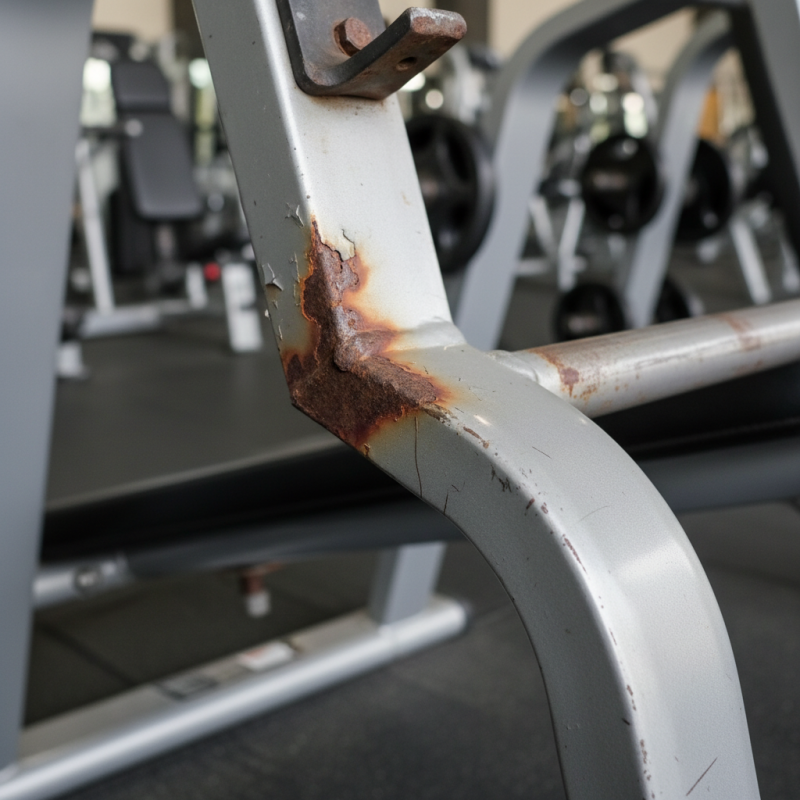
When it comes to gym equipment, steel quality plays a crucial role in safety and durability. Poor-quality steel can lead to equipment failures, posing risks to users. Inferior steel may bend, rust, or break over time. Identifying low-quality steel is essential for both home and commercial gyms. Look for signs of corrosion or inconsistent finishes. These issues often indicate a lower-grade material.
High-quality steel is typically thicker and more resilient. It can bear heavy weights without deforming. Reliable equipment will have weight ratings that reflect its steel composition. Check for warranties and certifications, as trustworthy brands prioritize quality. Understanding steel types can also help; stainless steel resists rust, while carbon steel is more affordable but may be less durable.
Trust your instincts when assessing equipment. If something feels off, it might be a sign of poor-grade steel. Listen to reviews and feedback. Users often share their experiences about equipment longevity. Knowing what to avoid can lead to more informed choices. Quality steel enhances your workout experience, providing both safety and performance.
When assessing gym equipment, identifying low quality steel is crucial. Low quality steel often results in equipment that fails to perform well and poses safety risks. One major indicator is the weight and thickness of the steel used. High-quality steel typically has a uniform thickness, while low quality steel may have inconsistencies. Research indicates that low quality steel can be up to 30% heavier, making it harder to maneuver.
Another red flag is rust or corrosion. Quality steel is usually coated or treated to resist moisture. If gym equipment shows signs of rust sooner than expected, it likely contains inferior materials. Reports suggest that over 40% of steel used in lower-end gym equipment lacks essential protective treatments. A rough surface finish can also indicate poor quality. Quality steel should feel smooth, while rough surfaces often point to inadequate manufacturing processes.
The presence of weak welds is another critical sign. Strong welds are indicative of good craftsmanship and solid material. Weak or inconsistent welds suggest that the equipment may not withstand heavy use. Industry studies reveal that up to 25% of gym injuries are linked to equipment failures, often related to poor steel quality. Every detail matters when it comes to safety and longevity in gym equipment. Compromised steel leads to compromised structures.
When examining gym equipment, assessing the quality of steel is crucial. Low-quality steel can compromise safety and performance. To identify such steel, several testing methods come into play. A common approach is performing a visual inspection. Look for surface imperfections, rust, or inconsistencies that hint at inferior materials.
Another effective method is the magnetic test. Quality steel is usually magnetic, while many low-grade variants are not. This quick test can reveal crucial information about the metal. A hardness test can also be useful. High-quality steel has higher hardness often associated with better performance. However, it may not always be easy to assess this without proper tools.
Yet, it's essential to acknowledge that some steel might pass these tests but still not meet the needs of heavy use. Sometimes, what appears robust might fail under extreme conditions. Furthermore, not all suppliers disclose their steel quality standards. It’s vital to communicate with the manufacturer about materials used. Questioning sales representatives can elicit more information. Remember, investing in fitness equipment means prioritizing safety and durability.
When evaluating gym equipment, the type of steel used plays a crucial role in durability and safety. Low-quality steel materials can compromise the structural integrity of gear. Common types include mild steel, which lacks robust strength, and stainless steel with inadequate alloys, prone to rust and wear.
Another concerning type is recycled steel. While it may seem eco-friendly, it often has inconsistent quality. It could contain impurities that weaken the equipment. Additionally, lower-grade stainless steel often uses excessive finishes or coatings that wear off quickly. This leaves the metal vulnerable to corrosion and physical degradation over time.
Assessment of steel must include a visual inspection. Look for visible seams or welds that appear weak. Pitting or surface rust can indicate inferior materials. Checking the weight of the equipment can also be a revealing factor. Lighter options may contain lesser steel, suggesting a reduction in quality. Observing these details can help you identify and avoid low-quality steel in gym equipment.
When choosing gym equipment, the quality of steel is crucial. High-quality steel can withstand heavy loads and offer longevity. Look for equipment made from commercial-grade steel, often indicated by its thickness and gauge. For example, steel with a thickness of at least 11 gauge is generally reliable. This thickness prevents bending or warping over time.
Consider the tensile strength of the steel as well. According to industry reports, high-quality steel typically has a tensile strength of at least 50,000 psi. This ensures the equipment can support intense workouts without compromising safety. Always check for certifications, such as ISO standards. These can indicate thorough testing and material quality.
Inspect welds and joints on equipment as well. Poor-quality welds can lead to failure. Look for even, smooth welds that don't show signs of cracking or poor adhesion. You may notice that some gym equipment has an uneven finish or rough patches. These flaws can hint at lower quality. Despite being visually appealing, attractive coatings don’t compensate for weak materials underneath. Remember the importance of these factors when making your choices.
: Steel quality affects safety and durability. Poor-quality steel can bend, rust, or break, posing risks to users.
Look for corrosion, inconsistent finishes, and rough surfaces. These indicate lower-grade materials often used in equipment.
High-quality steel is thicker and more resilient. It bears heavy weights without deformation and has a smooth finish.
Look for at least 11 gauge steel. This thickness helps prevent bending or warping during use.
Strong, even welds signify good craftsmanship. Weak or inconsistent welds may lead to potential equipment failures and safety issues.
Yes, certifications like ISO indicate thorough testing and material quality. They assure users of a product's reliability and safety.
High-quality steel typically has a tensile strength of at least 50,000 psi, ensuring it can support intense workouts safely.
An attractive coating doesn’t overpower weak materials. Look for visible flaws like rough patches or uneven finishes as warning signs.
Trust your instincts. If something feels off or doesn't seem sturdy, it could point to poor-grade steel.
User experiences can provide insights into equipment longevity. Listening to reviews helps avoid poor-quality choices.
When considering gym equipment, understanding the importance of steel quality is crucial for safety and durability. Low quality steel can compromise the integrity of the equipment, leading to potential hazards for users. To effectively address the question, "How to spot poor quality steel in gym equipment?", one should look for key indicators such as rust, uneven finishes, and inadequate weight capacity.
Testing methods can also reveal the quality of steel, including visual inspections and material testing. Commonly used low quality steels include those with high carbon content or insufficient alloying elements. Ultimately, when choosing gym equipment, prioritize products made from high-quality steel to ensure longevity and safety during use.

PNZ Fitness