How to Properly Lubricate a Treadmill Belt for Best Performance?

Time:2026-06-10 Author:Mason
0%

Proper maintenance of gym equipment is crucial for optimal performance. One key aspect often overlooked is lubrication. When it comes to treadmills, knowing how to lubricate a treadmill belt correctly can significantly enhance its lifespan and efficiency. Many users neglect this task, leading to increased wear and tear.

Lubricating a treadmill belt ensures smooth functionality. It reduces friction, prevents overheating, and minimizes noise. However, the process can seem daunting for some. It's important to rely on expert recommendations for proper techniques and products. A bit of research and learning from experienced users can make a world of difference.

Using the right lubricant is essential. Not all products are suitable for every treadmill. Users must ensure they are following manufacturer guidelines. It's easy to make a mistake, but understanding these details empowers users. Proper lubrication will lead to a more enjoyable workout experience and protect your investment.
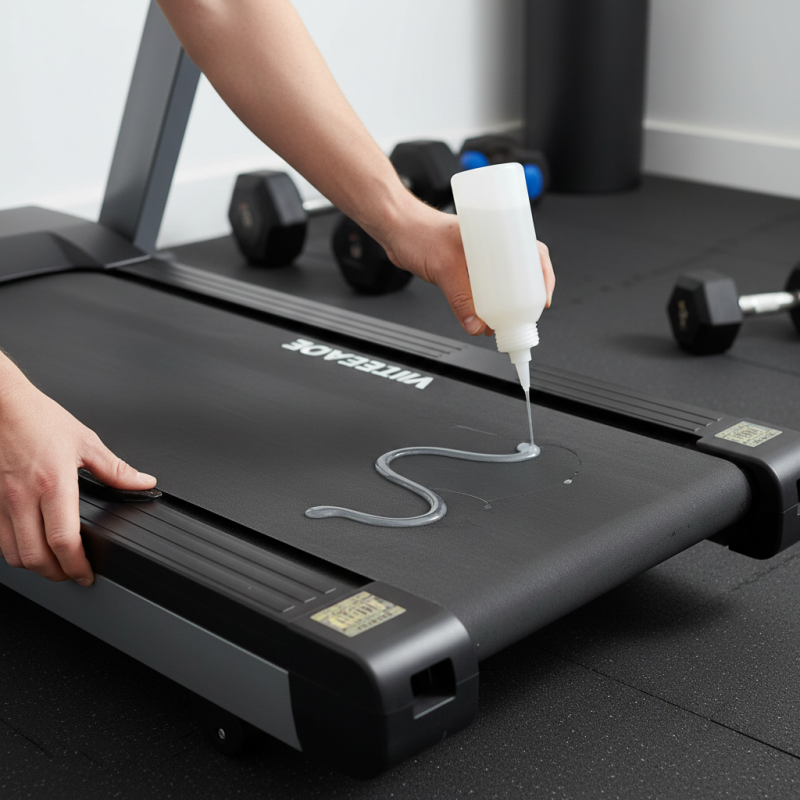
How to Properly Lubricate a Treadmill Belt for Best Performance?

Understanding the Importance of Lubricating a Treadmill Belt

Lubricating a treadmill belt is often overlooked, yet it plays a crucial role in maintaining the machine's performance. A well-lubricated belt reduces friction, allowing the treadmill to run smoothly. This not only enhances your workout experience but also extends the life of your equipment. Without proper lubrication, belts can wear down quickly. You might hear squeaks or feel uneven surfaces, signals indicating that your treadmill is crying for help.

Understanding the type of lubricant is essential. Not all lubricants are created equally. Many people make the mistake of using household oils, which can damage the belt. Instead, look for silicone-based lubricants designed specifically for treadmills. Using the right product will help avoid costly repairs in the long run. It’s tempting to skip lubrication, especially if your treadmill seems to be working fine. However, regular maintenance fosters better performance and keeps it in optimal condition. If you notice any changes in speed or noise, it might be time to reflect on your maintenance routine.

Identifying the Right Lubricant for Your Treadmill Model

Choosing the right lubricant for your treadmill is crucial for its performance. Each treadmill brand and model may require specific types of lubricants for optimal results. Generally, silicone-based lubricants are popular for most treadmills. They provide a good balance of smoothness and durability. However, some treadmills may specify other types. It’s essential to read the owner’s manual before proceeding.

When selecting a lubricant, consider the environmental conditions. If your treadmill is in a humid area, a lighter lubricant might be more effective. Too much lubricant can cause issues, such as slipping. Applying too little can lead to increased friction. Finding the right balance requires attention.

Not all lubricants are created equal. Some may break down faster than others, affecting performance. It’s important to monitor your treadmill regularly. Look for signs of wear and trails on the belt. These can indicate inadequate lubrication or the need for maintenance. Reflecting on these factors can help ensure proper upkeep.

Lubrication Frequency for Treadmill Belts

Step-by-Step Guide to Properly Lubricate the Treadmill Belt

Lubricating a treadmill belt is essential for optimal performance. Proper maintenance can extend the life of your machine and enhance your workout experience. To start, gather your tools: a soft cloth, treadmill lubricant, and a screwdriver. Ensure the treadmill is unplugged to avoid any accidents during the process.

Begin by lifting the treadmill deck slightly. This allows you to access the belt easily. Clean the underside of the belt with the soft cloth to remove any dust and debris. Pay attention to the edges, where dirt tends to accumulate. This step is often overlooked, but it significantly improves lubrication effectiveness. After cleaning, apply the lubricant along the length of the belt, ensuring even distribution. It’s crucial not to overdo it; a little goes a long way.

Once you’ve lubed the belt, run the treadmill for a few minutes at a slow speed. This helps the lubricant spread evenly. Listen for any unusual noises; they may indicate insufficient lubrication or other issues. Regular checks and maintenance are key to running a smooth treadmill. Taking these steps seriously can prevent wear and tear and improve your overall workout experience. Reflecting on the maintenance process can reveal areas for improvement each time you perform this necessary task.

How to Properly Lubricate a Treadmill Belt for Best Performance?

Step Description Recommended Lubricant Frequency
1 Unplug the treadmill and clean the belt and deck surface. N/A Before lubricating
2 Lift the treadmill belt to access the deck. N/A As needed
3 Apply the lubricant evenly along the deck under the belt. Silicone-based lubricant Every 3-6 months
4 Run the treadmill at a low speed for a few minutes to distribute the lubricant. N/A After lubrication
5 Check for any noises and ensure the belt feels smooth. N/A Each use or as needed

Common Mistakes to Avoid When Lubricating Treadmill Belts

When lubricating a treadmill belt, many make critical errors. One common mistake is applying too much lubricant. Excessive lubricant can pool under the belt, leading to slippage and inefficient performance. A thin, even layer of lubricant is all that’s needed. Be sure to wipe away any excess with a cloth. This simple step ensures that your treadmill functions smoothly.

Another frequent issue is neglecting to check the owner's manual. Many treadmill models have specific lubrication requirements. Ignoring these guidelines can damage components, leading to costly repairs. Assess your model’s specifications before proceeding. Additionally, some users forget to clean the belt before applying lubricant. Dust and debris can impede the efficiency of the lubricant. Always clean the surface first.

Finally, timing is vital. Over-lubricating too often can harm the belt. It's best to lubricate based on usage frequency. If you use the treadmill daily, consider lubricating every couple of months. Reflecting on these common mistakes will lead to better maintenance. Proper lubrication enhances performance and extends the treadmill's lifespan.

Determining the Frequency of Treadmill Belt Lubrication

Lubrication is crucial for treadmill performance. Knowing how often to lubricate the belt can enhance its longevity. A general rule is to lubricate every three months or every 150 miles. However, usage frequency, weight, and environment can affect this schedule.


If you frequently run on your treadmill, consider increasing the frequency. Regular checks can help you spot signs of wear. Listen for squeaking or feel resistance when running. These could indicate a need for lubrication. Adjusting your routine based on use can lead to better maintenance practices.


Environmental factors matter too. If your treadmill is in a dusty or humid area, you might need to lubricate more often. Pay attention to changes in the treadmill's performance. The right lubrication schedule is key. Missing a lubrication can lead to damage. Reflect on your routine and adjust as necessary for optimal performance.

FAQS

: Why is lubricating a treadmill belt important?

: Lubrication reduces friction, allowing smooth operation and extending the machine's life.

What happens if I don’t lubricate the treadmill belt?

Without lubrication, belts wear down quickly. You may hear squeaks or feel uneven surfaces.

What type of lubricant should I use for my treadmill?

Use silicone-based lubricants specifically made for treadmills. Avoid household oils that can harm the belt.

How often should I lubricate the treadmill belt?

Generally, every three months or every 150 miles is recommended. Adjust based on your usage.

What factors influence lubrication frequency?

Usage frequency, user weight, and environmental conditions can all affect how often you should lubricate.

How can I tell if my treadmill needs lubrication?

Listen for squeaking noises or feel resistance while running. These signs suggest it's time for lubrication.

Can location impact lubrication needs?

Yes, if the treadmill is in a dusty or humid area, lubrication may be needed more frequently.

Is it common to skip lubrication?

Many skip it, thinking their treadmill is fine. Reflect on your routine to avoid potential issues.

What are the consequences of missing lubrication?

Missing lubrication may lead to damage, poor performance, and costly repairs in the future.

Should I change my maintenance routine?

Yes, adjust your routine based on performance changes and frequency of use for optimal results.

Conclusion

Proper lubrication of a treadmill belt is essential for optimal performance and longevity of the machine. To understand how to lubricate a treadmill belt correctly, one must first recognize the importance of maintaining the belt to ensure a smooth workout experience and prevent damage. Selecting the appropriate lubricant for your specific treadmill model is crucial, as using the wrong type can lead to issues.

The process involves a systematic approach that includes cleaning the belt, applying the right amount of lubricant, and ensuring even distribution. It's also important to be aware of common mistakes, such as over-lubricating or neglecting to lubricate regularly, which can severely affect the treadmill's functionality. Finally, establishing a lubrication schedule tailored to your usage frequency will help maintain your treadmill in top condition. By following these guidelines, you'll keep your treadmill running smoothly and efficiently.

Mason

Mason

Mason is a seasoned marketing professional with a deep expertise in the company's offerings and a passion for driving brand awareness. With a strong background in digital marketing strategies, he has an innate ability to connect with diverse audiences and effectively communicate product benefits.......