5 Reasons to Use a Lifting Belt for Heavy Squats?

Time:2026-06-07 Author:Aria
0%

When it comes to heavy squats, the question arises: "Why should I use a lifting belt for heavy squats?" A lifting belt can provide crucial support and stability during intense lifting sessions. Many experienced lifters emphasize its value. The right belt can help you maintain proper form and reduce the risk of injury.

Using a lifting belt increases intra-abdominal pressure. This pressure stabilizes your spine, making your lifts safer. However, some might argue that relying too heavily on a belt can weaken core muscles. This is a legitimate concern. It's essential to find a balance, using the belt for serious lifts while also training your core without it.

Additionally, a lifting belt can boost confidence under heavy loads. It acts as a reminder to engage your core and lift responsibly. Some lifters, however, may feel uncomfortable with a belt or may not know how to use it correctly. Understanding when and how to incorporate a lifting belt is key to maximizing its benefits. Ultimately, the decision to use a lifting belt should be based on individual goals and comfort.
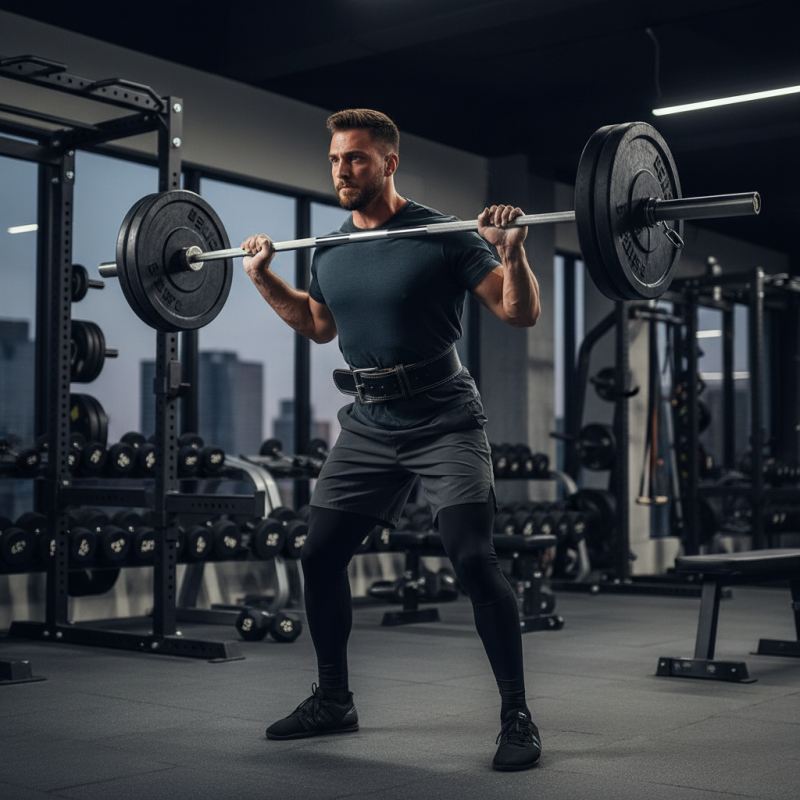
5 Reasons to Use a Lifting Belt for Heavy Squats?

Benefits of Using a Lifting Belt in Heavy Squats

Using a lifting belt during heavy squats can significantly enhance your performance. One key benefit is the increased intra-abdominal pressure it creates. This pressure helps stabilize your spine, reducing the risk of injury. When you wear a belt, it encourages you to brace your core properly, allowing for deeper squats. The belt acts as another layer of support that helps manage heavy loads.

Another advantage is improved confidence. The mental aspect of lifting is crucial. A lifting belt can provide lifters with a sense of security, especially under substantial weights. This psychological boost can lead to better lifting technique and increased weight progression. However, relying too much on a belt might hinder core strength development. It's essential to strike a balance between using the belt and training without it.

Many lifters find better force transfer with a belt. It aids in generating greater power, especially during the lift's ascent. This added support can enhance your overall squat performance. Yet, be mindful—overuse may lead to a dependency, affecting how your body stabilizes itself naturally. It's worth reflecting on when to use the belt and when to challenge your core without it.

5 Reasons to Use a Lifting Belt for Heavy Squats

Reason Description Benefits
Increased Core Stability A lifting belt helps to increase intra-abdominal pressure, supporting the spine and core. Improved lifting mechanics and reduced risk of injury.
Enhanced Performance Many lifters report being able to lift heavier weights when using a belt. Higher strength levels and potential for better muscle growth.
Injury Prevention By supporting the spine, it can help prevent injuries during heavy lifts. Fewer strains and injuries while squatting.
Mental Confidence Wearing a lifting belt can provide psychological benefits, boosting confidence during lifts. Improved focus and performance due to increased confidence.
Correct Technique A belt can encourage proper lifting posture and technique. Enhanced skill development and better overall results.

How a Lifting Belt Enhances Core Stability

Using a lifting belt during heavy squats can greatly enhance core stability. When you wear a belt, it provides support around your midsection. This support helps to increase intra-abdominal pressure. Higher pressure stabilizes your spine during the lift, making it safer and more effective.

A strong core is essential for proper squat form. Without adequate core stability, the risk of injury increases. In fact, many lifters neglect their core strength. This oversight can lead to poor lift mechanics. A lifting belt is a tool that can help bridge that gap. When worn correctly, a belt encourages proper bracing, allowing for better force transfer through the body.

Many athletes, however, rely too heavily on their belts. This can weaken their core over time. It’s essential to balance belt use with core training. Not every set requires a belt. Lifters should consider their personal strength levels and performance goals. Reflecting on when to use a belt fosters a more rounded fitness approach.

Improvement of Technique with a Lifting Belt

Using a lifting belt can significantly enhance your squat technique. A well-fitted belt stabilizes the core and aids in maintaining proper posture. It creates intra-abdominal pressure, which is essential for spinal support. This pressure helps you engage the right muscles throughout the lift. When the spine is stable, it allows for deeper, more controlled squats.

Relying on a belt can sometimes lead to overconfidence in your lifting ability. It’s essential to remember that a belt is not a crutch. While it supports you, it should not replace proper technique and form. Practicing squats without a belt can improve strength and awareness. This balance will ensure that you're not solely dependent on the belt. By refining your technique, you can achieve better long-term results and prevent injuries.

Injury Prevention through Lifting Belts in Weightlifting

Lifting belts play a crucial role in injury prevention for weightlifters, especially during heavy squats. Research shows that a well-fitted lifting belt can increase intra-abdominal pressure, providing essential spinal support. According to a study by the Journal of Strength and Conditioning Research, athletes using belts reported a reduction in lower back strain during maximum lifts. This can lead to improved performance and fewer injuries over time.

However, many lifters may underestimate the importance of proper belt usage. It’s essential to wear the belt correctly and at the right time. If lifted too soon or too loosely, the belt can hinder proper technique. Therefore, understanding your body mechanics is key. A lifting belt, if misused, could lead to a false sense of security and potential injuries.

Tips:

  • Always engage your core even when wearing a belt.
  • Focus on your squat form, ensuring that your knees track properly.
  • Gradually incorporate the belt into your routine, instead of relying on it for every lift.
  • Listening to your body is critical. Don't ignore signs of stress or fatigue; it's essential to prioritize long-term health over short-term gains.

Choosing the Right Lifting Belt for Optimal Performance

When choosing a lifting belt, it’s crucial to consider the fit and the material. Research shows that belts made from leather provide superior support compared to synthetic options. A study conducted by the National Strength and Conditioning Association indicated that participants experienced a significant increase in intra-abdominal pressure while using properly fitted leather belts. This pressure is essential for stabilizing the core during heavy squats.

The width of the belt also matters. Most experts recommend a belt that is at least four inches wide for maximum support. This width helps distribute pressure evenly across the abdomen and lower back. According to a report by the International Journal of Sports Science, lifters using wider belts showed an increase in force production during squats. However, comfort should not be overlooked. A belt that is too tight may hinder your movement and cause unnecessary strain.

Consider the buckle type as well. A lever buckle offers quick adjustments and is often more secure than a prong buckle. However, it may take time to adjust correctly. While many lifters prefer convenience, proper adjustment is vital for safety. Keep in mind that not all belts serve the same purpose. Some are designed specifically for competition, while others are for training. Choose wisely to ensure optimal performance and safety.

5 Reasons to Use a Lifting Belt for Heavy Squats

Using a lifting belt during heavy squats can significantly enhance your lifting experience. The chart above illustrates the top five benefits: Improved Stability, Enhanced Performance, Injury Prevention, Increased Weight Capacity, and Better Posture, each measured in percentage effectiveness.

FAQS

: What is the primary benefit of using a lifting belt during squats?

: A lifting belt increases intra-abdominal pressure, stabilizing the spine and reducing injury risk.

How does a belt affect lifting confidence?

A lifting belt provides psychological support, which boosts confidence and may improve lifting technique.

Can overusing a lifting belt be harmful?

Yes, relying too much on a belt can hinder core strength development and create dependency.

What role does core stability play in squatting?

A strong core is vital for squat form. Poor core stability increases injury risk.

How can a lifting belt assist in squat technique?

A belt stabilizes the core and helps maintain proper posture, allowing deeper and controlled squats.

Should lifters wear belts for every squat set?

Not necessarily. Lifters should evaluate their strength levels and performance goals to decide when to use a belt.

What happens when one becomes overconfident with a lifting belt?

Overconfidence can lead to neglecting proper technique, which can increase the risk of injury.

Are there any downsides to using a lifting belt?

Yes, it can weaken core muscles over time if used too frequently without incorporating core training.

How can lifting without a belt benefit athletes?

Practicing squats without a belt improves strength and body awareness, ensuring less dependence on the belt.

How does a well-fitted belt enhance performance?

A good belt supports proper bracing, improves force transfer, and may lead to better lift performance overall.

Conclusion

When considering the question, "Why should I use a lifting belt for heavy squats?" the benefits become apparent through various aspects of weightlifting. A lifting belt significantly enhances core stability, providing essential support to the abdominal and lower back regions during heavy lifts. This stability allows lifters to maintain proper form and technique, which is crucial when performing challenging squats. Furthermore, using a lifting belt can play a key role in injury prevention, reducing the strain on the lower back and minimizing the risk of injuries associated with heavy weightlifting.

Moreover, selecting the right lifting belt is vital for optimal performance in the gym. The appropriate belt can help lifters achieve their strength goals while ensuring safety and control. Overall, incorporating a lifting belt into heavy squat routines not only improves performance but also supports long-term training sustainability.

Aria

Aria

Aria is a dedicated marketing professional with a deep passion for innovative strategies and a keen understanding of our company's product offerings. With a wealth of experience in the industry, Aria excels at crafting engaging content that highlights the unique features and benefits of our......