How to Set Your Bike Seat Height to Prevent Knee Pain?

Time:2026-05-31 Author:Charlotte
0%

Knee pain is a common issue for cyclists. Research indicates that up to 40% of cyclists experience discomfort linked to improper bike setup. Adjusting your bike seat height is crucial for comfort and efficiency. Understanding "How to adjust my bike seat to avoid knee pain?" can fundamentally enhance your cycling experience.

Experts recommend that your seat height should ideally allow for a slight bend in the knee when the pedal is at its lowest point. A study from the American Orthopedic Society for Sports Medicine highlights that correct alignment can reduce knee stress significantly. Many cyclists overlook this aspect, leading to unnecessary strain and potential injuries.

Despite this knowledge, many riders still ride with incorrect seat heights. It's essential to periodically reassess your fit. Factors such as changes in flexibility or cycling habits can impact your ideal seat position. Regular adjustments based on individual needs can help prevent discomfort and promote a more enjoyable ride.
How to Set Your Bike Seat Height to Prevent Knee Pain?

Understanding the Importance of Proper Seat Height for Preventing Knee Pain

Proper bike seat height plays a crucial role in preventing knee pain. Studies indicate that incorrect seat height can lead to discomfort and injury. A 2019 report from the Journal of Sports Sciences found that a 1 cm misalignment can increase tension on the knee joint significantly. This relationship underscores the importance of finding the right height for optimal cycling performance.

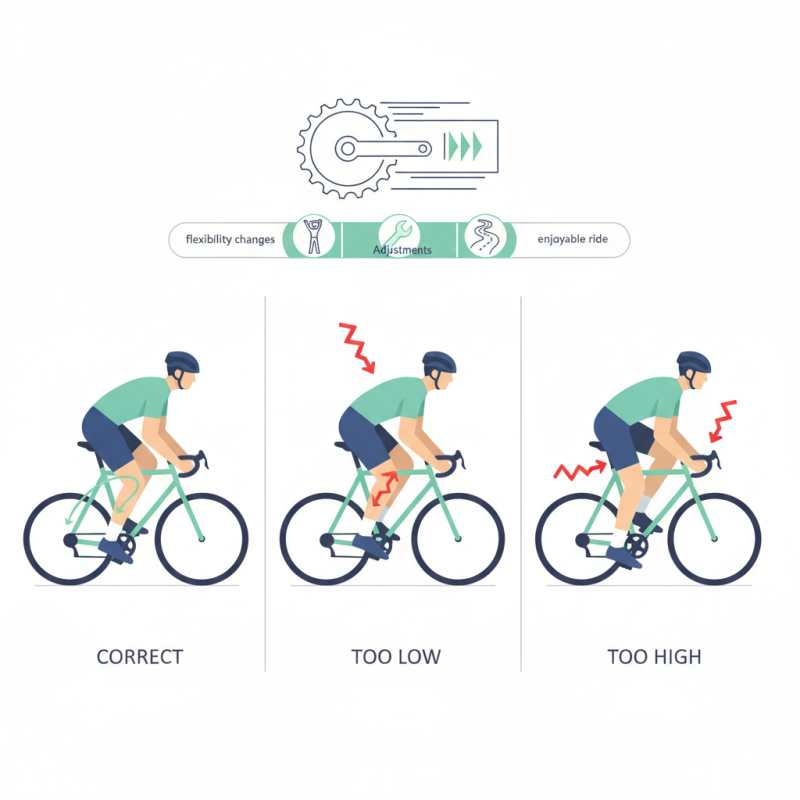
Adjusting your seat height affects your leg's range of motion. If it is too high, your hips may rock, causing strain. If too low, your knees might overextend, leading to pain. A good rule of thumb is to keep your knee slightly bent at the bottom of the pedal stroke. This position redistributes stress across your joints effectively.

**Tips:**
Check your saddle height regularly. Changes in fitness levels or flexibility can necessitate adjustments. Avoid setting the seat height based solely on comfort. Take the time to assess both comfort and efficiency for the best cycling experience. Additionally, consider a professional bike fit for personalized recommendations. It's better to invest in a fit than to struggle with persistent pain.

Bike Seat Height and Its Impact on Knee Pain

Identifying the Symptoms of Knee Pain Related to Bike Seat Height

Knee pain while cycling can be a real issue. It often stems from improper bike seat height. If you feel discomfort in the front or back of your knees, it could be a sign. Pay attention to these sensations during and after rides.

Overextension and cramping are also indicators. When your leg is too straight, your knee might overextend. Conversely, a seat that is too low can cause cramping. These symptoms often point to poor seat adjustment.

Take time to adjust your bike properly. A simple tweak could make a significant difference. Remember to reflect on how adjustments feel during your rides. Sometimes, finding the right fit requires patience and experimentation. Your comfort should be a priority. Listen to your body.

How to Set Your Bike Seat Height to Prevent Knee Pain? - Identifying the Symptoms of Knee Pain Related to Bike Seat Height

Measurement Criteria Recommended Values Symptoms of Incorrect Seat Height
Legs Fully Extended Knee slightly bent at the bottom of the pedal stroke Knee pain when pedaling
Hip Movement No excessive rocking of the hips Pain in the sides of the knees
Seat Height Measurement Measure from the top of the hip to the center of the pedal Inability to pedal smoothly
Angle of Knee at Pedal Approximately 25-30 degrees Tightness in the knees or thigh muscles
Adjustment Type Adjust seat height by small increments Chronic discomfort during rides

Step-by-Step Guide to Adjusting Your Bike Seat Height Correctly

Setting your bike seat height can significantly influence your comfort and performance. A well-adjusted seat prevents knee pain during rides. It's essential to ensure your knees are not straining at any point. This can lead to injury and frustration.

Start by sitting on your bike, with one pedal at its lowest point. Your leg should be nearly straight, with a slight bend in the knee. If your knee is too straight or excessively bent, it’s time to adjust. Use a suitable tool to raise or lower the seat. Remember, small adjustments can lead to big changes. After adjusting, take a short test ride. Pay attention to any discomfort in your knees.

If pain persists, reassess your seat height. Sometimes the issue lies in your preferred riding style or posture. Finding the ideal height takes time and patience. Measure your saddle height regularly. It can change with different shoes or riding conditions. Taking these steps can lead to a more enjoyable ride, allowing you to focus on the journey ahead.

Tools and Measurements Needed for Accurate Seat Height Adjustment

To achieve the correct bike seat height, you'll need a few essential tools. A measuring tape is crucial for determining the distance between the saddle and your pedals. A spirit level can help ensure your bike is upright during the measurement process. Having a wrench on hand is also important for adjusting the seat height itself.

Once you gather your tools, you can measure your inseam. Stand against a wall, and place a book between your legs to mimic a bike saddle. Mark where the top of the book meets the wall. Measure from the floor to that mark. This measurement, multiplied by 0.883, gives you a good starting point for your seat height.

It's easy to make mistakes during adjustments. You might find your seat is either too high or too low. If your knees feel strain while pedaling, it's time to rethink your setup. Small adjustments can make a big difference. In the end, regularly checking your seat height is vital to ensure comfort and prevent knee pain. A little patience will enhance your cycling experience.

Tips for Maintaining Optimal Seat Height During Long Rides

Finding the right bike seat height is crucial for comfort and performance. Many cyclists, especially during long rides, experience knee pain due to improper seat height. Studies indicate that a misaligned seat can lead to inefficiencies and increased strain on the knees. For example, a report from a cycling performance journal noted that 80% of cyclists who adjusted their saddle height correctly reported reduced discomfort.

To maintain optimal seat height throughout your ride, regular checks are essential. As fatigue sets in, small adjustments might be necessary. Consider using a simple rule of thumb: when the pedal is at the lowest point, your knee should be slightly bent. Use a quick measurement before embarking on your ride. Adjustments can make a significant difference during those final miles. In a recent survey, over 60% of long-distance riders stated that proper seat height improved their endurance.

Monitoring small changes is vital. Seat height can subtly shift due to terrain and riding style. Cyclists should remain aware of their body mechanics. Knee pain can creep in unexpectedly. Listening to your body is just as crucial as the initial setup. Over time, personal preferences may shift, making regular evaluations of seat height necessary for long-term comfort.

FAQS

: Why is proper bike seat height important?

: Proper bike seat height prevents knee pain and discomfort during cycling. It impacts leg motion and knee joint stress.

What can happen with incorrect seat height?

An improper seat height can lead to injuries and increased discomfort. Even a 1 cm misalignment can cause significant issues.

How should my knees feel at the bottom of the pedal stroke?

Your knees should be slightly bent at the bottom of the pedal stroke. This position reduces stress on your joints.

What symptoms indicate poor seat height adjustment?

Symptoms include discomfort in the knees, cramping, and overextension during rides. Listen to these signs carefully.

How often should I check my saddle height?

Regularly check your saddle height, especially if your fitness changes. Adjustments may be necessary for optimal comfort.

Should I focus only on comfort when setting seat height?

No, comfort alone isn't enough. Balance comfort with efficiency for the best cycling experience and to prevent pain.

What can I do if I still experience pain?

If pain persists, consider seeking a professional bike fit. It can help identify proper adjustments tailored to your needs.

How can I tell if my seat is too high?

If your hips rock while pedaling, your seat may be too high. This motion can indicate strain and discomfort.

When does cramping usually occur while cycling?

Cramping typically occurs when the seat is too low. It may lead to tightness and discomfort in the legs during rides.

Is finding the right fit a quick process?

Finding the right fit takes time and patience. Adjustments require reflection on how they feel during rides.

Conclusion

When considering "How to adjust my bike seat to avoid knee pain?", understanding the significance of the correct seat height is crucial. Improper bike seat height can lead to various knee pain symptoms, including discomfort during and after rides. This article provides a comprehensive step-by-step guide for accurately adjusting your bike seat height, emphasizing the use of necessary tools and measurements to achieve the optimal position.

Furthermore, it offers valuable tips for maintaining this ideal seat height during long rides, ensuring that cyclists can enjoy prolonged comfort and prevent injury. By following these guidelines, cyclists can enhance their riding experience and protect themselves from knee pain associated with incorrect seat alignment.

Charlotte

Charlotte

Charlotte is a seasoned marketing professional with a deep understanding of the company's portfolio and a passion for elevating its presence in the market. With a keen eye for detail and a commitment to excellence, she ensures that our professional blog is regularly updated with insightful articles......