If you've ever wondered, "Why is my treadmill making a loud squeaking noise?", you're not alone. Reports indicate that about 30% of treadmill users experience similar issues. According to industry expert Dr. Emily Hayes, a fitness technician with over a decade of experience, "Squeaking often indicates that something is out of alignment or needs lubrication."
When treadmills squeak, it can be frustrating. This noise disrupts workouts and can signal underlying mechanical problems. Common causes include dry bearings, worn belts, or loose bolts. Addressing these issues promptly can prevent larger, costly repairs down the line. A well-maintained treadmill enhances workout efficiency and user experience.
The good news is that many squeaking issues can be fixed easily at home. Regular maintenance is key. Owners should consult the user manual for guidance on lubrication and adjustments. However, if you’re unsure, seeking a professional’s help might be the best course. Your treadmill deserves care, just as you do!
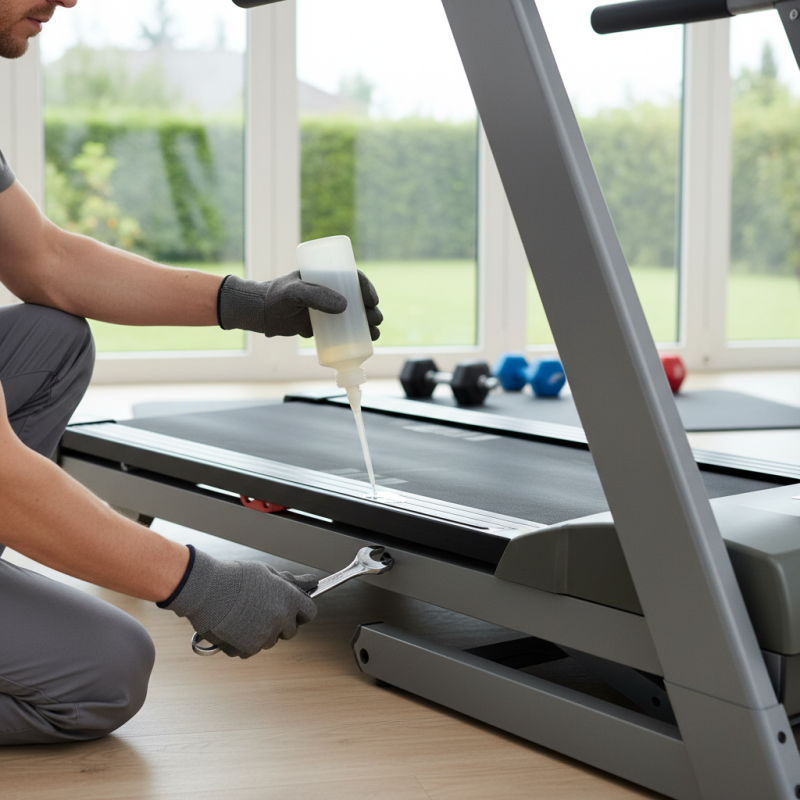
Treadmill squeaking can be frustrating, especially during workouts. Understanding common causes will help you address the issue effectively. Mechanical wear and tear is a primary culprit. The treadmill belt might rub against the deck due to insufficient lubrication. According to the American Council on Exercise, maintaining treadmill lubrication can extend its lifespan by at least 30%.
Another potential cause is misalignment. If the treadmill belt is not centered properly, it can produce a squeaking sound. Regular checks every few months can help identify any alignment issues. Lack of attention increases wear on both the belt and the motor. Reports suggest that sessions over 60 minutes without maintenance can lead to increased noise levels due to friction and stress on parts.
Lastly, debris accumulation can lead to squeaking. Dust and dirt may interfere with the moving components of the machine. A simple cleaning regimen can reduce this issue significantly. Regular inspections can save on costly repairs later. Listening to your treadmill can guide you. Unattended squeaks may indicate deeper structural problems, hinting at the need for expert evaluation.
A squeaking treadmill can interrupt your workout and concern you about potential damage. Identifying the source of the squeak is crucial. Common areas include the belt, motor, and roller. Start by checking the treadmill belt. If it is too loose, it can create friction and noise. Gently tug on the belt to see if it moves too easily. If it does, tightening the belt may resolve the issue.
Next, examine the motor area. Dust and debris can accumulate over time, causing the motor to make unusual sounds. Unplug the treadmill, then carefully clean the motor area. Look for loose connections or misalignment as well. Also, inspect the rollers. They may need lubrication or replacement if worn down. Sometimes, simply applying lubricant can significantly reduce squeaking.
If the noise persists, reflect on how often you use the treadmill. Frequent use can lead to wear and tear, making it essential to maintain the machine regularly. Regular checks can prevent minor issues from becoming major problems. An understanding of these factors will empower you to keep your treadmill in good condition, ensuring a smoother workout experience.
A squeaky treadmill can disrupt your workout routine. Lubricating the treadmill is essential for smooth operation. Regular maintenance can extend the life of your equipment. Start by turning off and unplugging the machine. This ensures safety while you work on it.
To lubricate your treadmill, locate the space under the running belt. Use a specific type of lubricant designed for treadmills. Apply it evenly along the length of the belt. Remember to avoid over-lubricating. Too much lubricant can attract dirt and debris, making matters worse.
After applying the lubricant, manually move the belt. This helps distribute the lubricant evenly. Pay attention to any persistent noises. If squeaking continues, check for other issues like loose bolts or worn-out parts. Keeping your treadmill quiet can make your exercise more enjoyable. Regular checks and maintenance will pay off in the long run.
Maintaining a quiet treadmill requires regular attention.
Regularly inspecting and lubricating moving parts can significantly reduce squeaking.
A study published in the Journal of Sports Engineering noted that improper lubrication can lead to both noise and mechanical failures.
It showed that up to 70% of treadmill issues stem from inadequate maintenance.
Start by checking the belt tension. A loose or misaligned belt often causes unwanted noise.
The ideal tension allows the belt to move smoothly without slipping.
Tighten or adjust the belt according to the manufacturer’s guidelines for optimal performance.
According to research, 60% of treadmill users reported a reduction in noise after properly adjusting their equipment.
Another effective method is cleaning the deck and belt.
Dust accumulation can create friction, resulting in irritating sounds.
Regular cleaning not only keeps your treadmill quiet but also prolongs its lifespan.
A report by the Fitness Industry Association reveals that regular maintenance increases equipment longevity by an average of 30%.
Consider these tips to keep your treadmill functioning quietly and efficiently.
Treadmill issues can be frustrating, especially when your machine starts to squeak. While some sounds can indicate minor problems, others may signal a need for professional help. Knowing when to seek assistance is crucial for the longevity of your equipment.
Listen closely to the noise. A slight squeak might just require lubrication. However, if the sound becomes a persistent grinding or clunking, you should consult a technician. It's better to address significant issues early to avoid costly repairs down the line.
Tips: Regular maintenance is key. Clean the belt and deck, and ensure the parts are aligned correctly. If you notice unusual wear on the belt or other components, take immediate action. Investing time in proper care can save money later. Don't hesitate to reach out to a professional if you're unsure about your treadmill's condition. Their expertise can provide clarity and peace of mind.
: Regularly inspect and lubricate moving parts to minimize squeaking.
Loose or misaligned belts often lead to unwanted noises during operation.
Adjust the belt according to the manufacturer’s guidelines for smooth performance.
Cleaning the deck and belt removes dust that causes friction and noise.
Consult a technician if you hear persistent grinding or clunking noises.
Regular cleaning and proper lubrication can increase equipment longevity.
Yes, inadequate care can result in noise and mechanical failures.
Regular maintenance can improve equipment longevity by about 30%.
A slight squeak may need lubrication, but don’t ignore worsening sounds.
It’s best to consult a professional for clarity and peace of mind.
If you've found yourself wondering, "Why is my treadmill making a loud squeaking noise?" you're not alone. Treadmill squeaks can be caused by various factors, such as wear and tear on the belt and deck, misalignment, or a lack of lubrication. Identifying the source of the squeak is the first step in addressing the issue.
To fix the problem, a step-by-step guide to lubricating your treadmill is essential, which can help eliminate the noise and restore smooth operation. Regular maintenance, including checking for loose bolts and keeping the belt clean, can further prevent squeaking. However, if the noise persists despite your efforts, it may be time to seek professional help to ensure safe and effective resolution. Taking these steps can help maintain a quiet treadmill for your workout.

PNZ Fitness