Why Can't I Feel My Back Muscles Using a Cable Machine?

Time:2026-05-28 Author:Ethan
0%

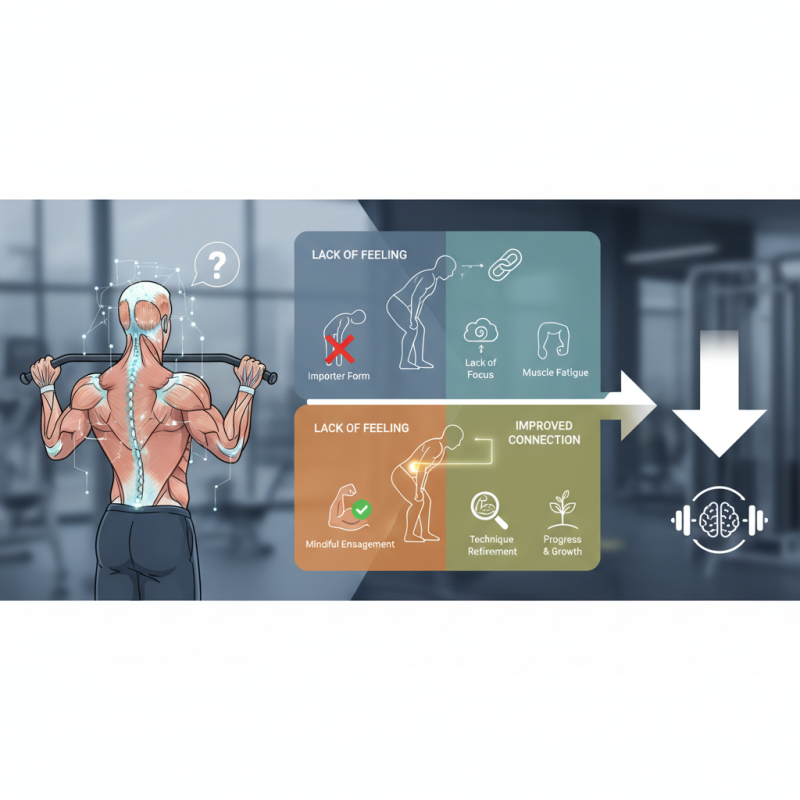
Many gym enthusiasts often ask, "Why can't I feel my back muscles when using a cable machine?" This question highlights a common challenge faced during workouts. Renowned fitness expert Dr. Sarah Thompson emphasizes, "Engaging the mind-muscle connection is crucial for effective training." Without this connection, the back muscles may not activate fully, leading to reduced effectiveness.

Using a cable machine can be physically rewarding, but it can also be frustrating. Many users struggle to 'feel' the intended muscles working, which diminishes motivation. This issue reflects a disconnect that can stem from improper form or inadequate mind-focused techniques. It’s essential to focus mentally on the muscles being used. Cueing your mind to engage the back can often make a difference.

Moreover, factors such as muscle fatigue or unfamiliarity with the equipment can play a role. It’s not uncommon to realize that despite putting in effort, the muscles feel unresponsive. This reflects an opportunity for growth and understanding how to fine-tune techniques to enhance workout efficiency.
Why Can't I Feel My Back Muscles Using a Cable Machine?

Understanding Muscle Activation: The Role of Neural Connections in Resistance Training

Feeling disconnected from your back muscles while using a cable machine is common. This sensation often ties back to muscle activation, influenced by neural connections. Research indicates that effective muscle activation relies heavily on our brain’s ability to communicate with muscles. A 2022 study noted that individuals with stronger mind-muscle connections report better gains during workouts.

Activation isn't just about lifting weights. It involves focusing intently on the muscles you want to engage. A study published in the Journal of Strength and Conditioning Research found that 70% of participants improved muscle activation through concentrated effort. When you fully visualize and engage your back muscles, you may experience increased strength and hypertrophy over time.

Tip: Before each set, take a moment to mentally connect with your target muscles. Visualizing the movement can enhance activation.

Additionally, consider adjusting your form. Often, minor tweaks can significantly influence muscle firing patterns. Pay attention to your grip and stance while using a cable machine. A 2023 report highlighted that small adjustments led to a 30% increase in muscle activation for many lifters.

Tip: Experiment with different angles during your workout. This simple change can lead to improved connection and better results. Fostering neural connections takes time and practice, so be patient with yourself as you refine your technique.

Importance of Mind-Muscle Connection in Cable Machine Exercises

Feeling disconnected from your back muscles during cable machine workouts can be frustrating. This experience often relates to the mind-muscle connection (MMC), a crucial element in effective strength training. Research shows that focusing on specific muscles during exercises can significantly enhance activation. A study published in the Journal of Strength and Conditioning Research found that lifters who practiced MMC activated their target muscles 30% more effectively than those who did not.

Creating a strong MMC requires practice and awareness. Start by visualizing your back muscles engaging as you pull the cable. Use lighter weights at first to ensure you’re focusing on the muscles, not just moving the weight. This can be challenging. Many gym-goers rush through reps, sacrificing form. They may feel their arms working instead of their back. It’s important to pause and adjust your technique. Ensure that your shoulder blades retract and that you’re maintaining tension throughout the exercise.

Moreover, understanding the mechanics of the cable machine is vital. Adjust the height and angle to better target your back. Consider that improper setup may reduce muscle engagement. Some reports suggest that over 70% of gym users don’t optimize machine settings. Awareness of these details can bridge the gap between minimal muscle feeling and robust activation. Your training journey requires reflection and patience. Focus on what connects your mind to your muscles.

Common Errors When Using Cable Machines that Affect Muscle Engagement

When using a cable machine, many people fail to engage their back muscles effectively. One common error is the setup of the machine. If the pulley is not at the correct height, it can alter the angle of resistance. This leads to improper muscle activation. Ensure the cable is aligned with your body’s natural movement path.

Another issue lies in the grip and stance. An incorrect grip can shift the focus away from your back. For instance, using an overly wide grip may engage your shoulders more than your lats. A narrower grip can help target those back muscles better. Additionally, improper posture can lead to an ineffective workout. Maintain a neutral spine and avoid rounding your shoulders.

Sometimes, focusing too much on the weight can be counterproductive. Lifting heavy weights without proper form can hinder muscle engagement. You might not feel your back working at all. Instead, prioritize form over weight. This approach is crucial for building strength and preventing injury. Reflect on how you set up your workouts for better results.

Strategies to Improve Back Muscle Activation During Cable Machine Workouts

Feeling unsure about back muscle activation during cable machine workouts is common. Many people struggle with connecting to their back muscles, which can hinder progress. To improve muscle engagement, focus on proper form and technique. Begin with lighter weights to ensure you maintain control. This allows for better recruitment of the target muscles.

Engaging your mind with your muscles is essential. Visualize the muscles working as you move. This mental connection enhances activation. Another helpful strategy is to alter your grip. Experiment with wide, narrow, or neutral grips on the cable handle. Each variation can shift the focus to different areas of the back.

Additionally, incorporating pauses at the peak contraction can intensify the workout. Hold the position for a second or two, feeling the muscles tighten. During your workouts, regularly check in with your body. If you’re not feeling it, reassess your form. Poor posture or using weights that are too heavy can distract from the intended muscle engagement.

Why Can't I Feel My Back Muscles Using a Cable Machine? - Strategies to Improve Back Muscle Activation During Cable Machine Workouts

Exercise Target Muscle Group Common Mistakes Activation Tips
Seated Cable Row Latissimus Dorsi Overly using arms Focus on squeezing shoulder blades together
Lat Pulldown Upper Back Pulling with the biceps Engage core to stabilize
Face Pull Rear Deltoids, Upper Back Not keeping elbows high Pull rope towards your face slowly
Cable Deadlift Lower Back, Hamstrings Using too much weight Maintain back straight, focus on hinging at the hips

Analyzing EMG Data: Effective Techniques to Boost Back Muscle Recruitment

Many gym-goers struggle to activate their back muscles effectively when using cable machines. This often stems from poor technique or a lack of awareness of how to engage the right muscles. Analyzing EMG data can provide insight into which exercises truly target the back. This information is crucial for those looking to enhance their workouts.

Proper form is vital. Often, individuals focus on weights rather than on muscle engagement. This leads to minimal back muscle activation. Concentrating on the feeling of the muscles during the movement can make a difference. Techniques such as mind-muscle connection can improve recruitment significantly. Isolating the back in exercises like seated rows or lat pulldowns requires attention to detail.

Recording workouts can highlight areas for improvement. Reviewing EMG data shows what muscles are engaged during different exercises. Adjusting grip, posture, or even the angle of pull can impact back muscle activation. It’s important to monitor progress and tweak techniques to achieve better results. Struggling to feel those muscles is common; reflection and adjustment can lead to breakthroughs in training.

Back Muscle Recruitment Analysis Using Cable Machine

FAQS

: Why might I feel disconnected from my back muscles while using a cable machine?

: This feeling often ties back to muscle activation, influenced by how well your brain communicates with your muscles.

How can I improve muscle activation in my workouts?

Focus on visualizing the muscles you want to engage before each set. This enhances your mind-muscle connection.

What small changes can I make to enhance back muscle activation?

Adjust your grip and stance. Small tweaks can lead to significant improvements in how you engage your muscles.

Should I prioritize weight or form during my workouts?

Prioritize form over weight. Lifting heavy without proper technique can hinder muscle engagement and lead to injury.

How can I know if I'm activating my back muscles effectively?

Regularly check your form and pay attention to how your back feels during the exercise. Adjust if necessary.

What role does mental focus play in muscle activation?

Engaging your mind with your muscles while moving can greatly enhance activation and improve your results.

Are there effective grip variations for back exercises?

Yes, experimenting with wide, narrow, or neutral grips can shift focus to different areas and improve activation.

How can pauses in my workout help?

Holding positions during peak contraction helps enhance muscle engagement and effectiveness during your exercises.

What should I do if I'm not feeling my back muscles working?

Reflect on your form and ensure you are not using weights that are too heavy, as this can distract from engagement.

How long does it take to improve muscle activation?

Fostering neural connections takes time and practice, so be patient with yourself as you work on refining your technique.

Conclusion

The article "Why Can't I Feel My Back Muscles Using a Cable Machine?" explores the intricacies of muscle activation and the importance of neural connections in resistance training. A strong mind-muscle connection is crucial for effectively engaging back muscles during cable exercises. Common errors, such as improper form or lack of focus, can hinder muscle engagement, leading to the frustrating experience of not feeling the targeted muscles work.

To address these issues, the article provides strategies to enhance back muscle activation during workouts, emphasizing techniques derived from EMG data analysis to boost recruitment of these muscles. By understanding the underlying factors that influence muscle activation, individuals can improve their cable machine workouts and better connect with their back muscles, ultimately leading to more effective training outcomes.

Ethan

Ethan

Ethan is a seasoned marketing professional with a deep expertise in our company's innovative product line. With a passion for sharing knowledge and insights, he takes the lead in regularly updating our corporate blog, where he explores industry trends, product features, and effective marketing......