The global fitness tracker sector has transitioned from a niche segment of recreational gadgets to a core driver of modern predictive healthcare and wellness networks. At its root, this evolution is powered by massive breakthroughs in sensor miniaturization, machine learning algorithms, and deep-level hardware integration. Today, top fitness tracker manufacturers and exporters are serving a highly complex B2B market, delivering solutions to corporate wellness programs, athletic institutions, and high-performance fitness hubs worldwide.
From an exporter perspective, regional manufacturing clusters have consolidated their positions. The global supply chain relies heavily on highly advanced technology parks that co-locate silicon design, sensor calibration facilities, and precise injection molding. The export mechanics are governed not just by shipping volumes but by strict medical-grade certifications, firmware localization, and cloud ecosystem compatibility. As the demand for continuous health telemetry spikes, B2B procurement strategies are shifting towards partners who can deliver robust, certified, and API-ready hardware.
The next decade of smart fitness technology is defined by a shift from reactive monitoring to active diagnostics. Exporters and developers are focusing on key vectors that will determine future market leadership:
Integration of multi-wavelength Photoplethysmography (PPG) arrays to accurately trace Blood Oxygen saturation (SpO2), Heart Rate Variability (HRV), and arterial elasticity indices under heavy physical load.
On-device neural engines that process motion patterns directly in real-time, delivering immediate posture corrections, stride mechanics, and customized fatigue warnings without relying on high cloud latency.
Harvesting kinetic energy and deploying ultra-low-power microcontrollers (MCUs) to extend active battery cycles up to 30 days on a single charge, significantly lowering the carbon footprint of institutional tracking devices.
The roadmap for high-end fitness tracking devices integrates multi-layered hardware frameworks designed to address key requirements of stability, user safety, and extreme endurance. In the B2B landscape, exporters must pivot from simple OEM configurations to customized software development kits (SDKs) and robust hardware layers.
Founded in 2017, Shandong PNZ Fitness Co., Ltd. Pilates holds a prestigious position in the premium equipment design domain. Guided by a mission to design and manufacture premium, highly durable Pilates and functional gym systems, we align with the traditional biomechanical methods pioneered by Joseph Pilates. This focus on physical integrity pairs directly with modern tracking frameworks: physically precise training devices combined with accurate, real-time biometrics.
PNZ Fitness relies exclusively on select materials, including premium anodized aluminum, structural beech glulam, durable birch plywood, and highly clean faux leather coatings. This attention to detail ensures not only lasting performance but an outstanding user experience that matches the demands of modern luxury health facilities.
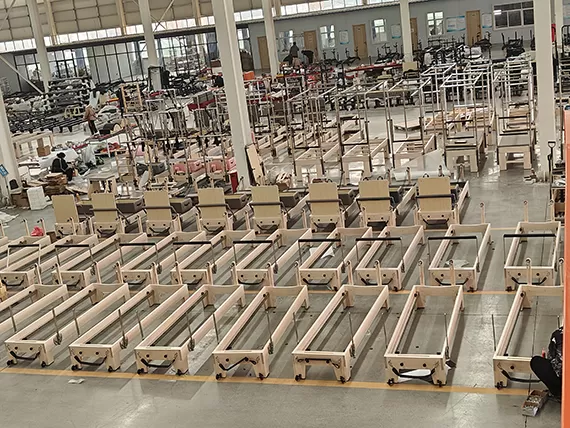
Our vision is to build a solid foundation for long-term B2B success. We deliver professional services based on transparent communication and business efficiency. Guided by customer achievement, continuous innovation, operational integrity, and supply chain responsibility, we guarantee total reliability at every production stage.
Modern fitness trackers operate in a wide variety of localized B2B ecosystems. Sourcing agents need to match hardware designs with specific usage scenarios to ensure high customer satisfaction:
Integrating tracker telemetry with premium PNZ Pilates reformers to monitor real-time heart rate zones and caloric consumption. This allows trainers to adjust load spring levels based on individual cardiovascular stress indicators.
Large-scale corporate wellness deployments using customized hardware systems. These systems connect with company challenges to track health goals, reduce insurance claims, and boost employee morale.
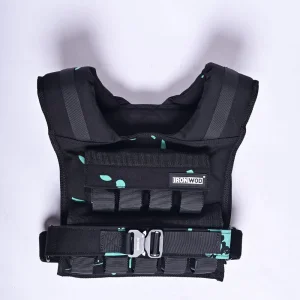
Deploying rugged wearables with custom weighted vests and running gear. Trackers record complex movement dynamics, oxygen saturation drops, and muscle recovery times during intense workouts.
Selecting fitness tracker partners involves evaluating more than just basic cost structures. For global importers, managing international trade compliance and logistics is essential to protect product margins. As top exporters of hardware solutions, we streamline the sourcing process:
We provide complete support from custom SDK design to custom private-label box packaging. Our production team assists clients with custom housing moldings, custom boot animations, and personalized firmware configurations to ensure your brand stands out in local markets.
All exported devices carry certifications required for target markets, including CE, FCC, RoHS, and WEEE stamps. Our shipping teams are fully certified to manage safe logistics for lithium-ion battery packs under UN38.3 protocols, guaranteeing smooth clearance through customs ports.
 PNZ Fitness